
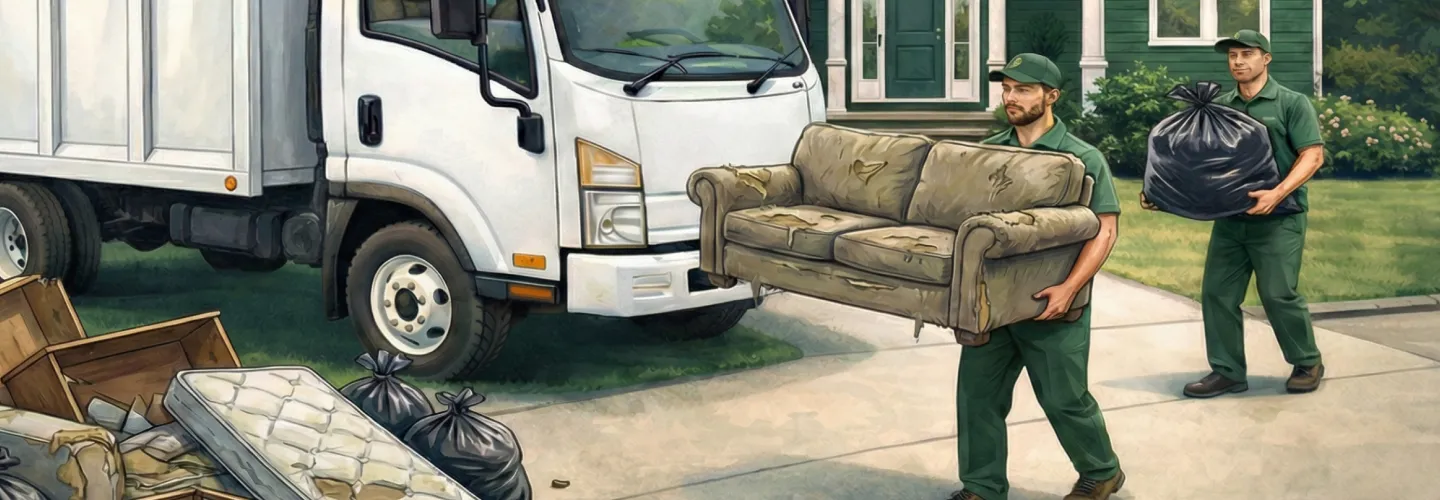
Atlanta Construction Waste Management Services
Choose us for your construction waste management needs and experience hassle-free, eco-friendly disposal that keeps your project on schedule and your site compliant with local regulations.
Get a Free QuoteOur Atlanta Junk Removal Services
Construction Waste Management in Atlanta, GA – Local Service Guide
Construction waste management in Atlanta requires a tailored approach, given the city’s diverse neighborhoods and active development scene. In areas like Buckhead and Old Fourth Ward, residential projects often generate waste from furniture, appliances, and electronics during seasonal cleanouts or renovations. Homeowners typically schedule pickups in spring or after major life events, with options to donate usable items or recycle metals and electronics. For residential spaces such as garages, attics, and yards, Atlanta’s stormy summers and leafy neighborhoods like Druid Hills drive frequent yard waste and debris removal, especially after storms or during annual property maintenance. Commercial sectors—Midtown’s offices, Westside’s restaurants, and medical facilities near Emory—face unique demands, requiring discreet, timely waste removal to minimize business disruption and comply with local regulations. Specialty services, including dumpster rentals for construction debris or estate cleanouts, are often needed for large-scale projects or property transitions, demanding careful planning and coordination with city guidelines.
Benefits of Construction Waste Management in Atlanta
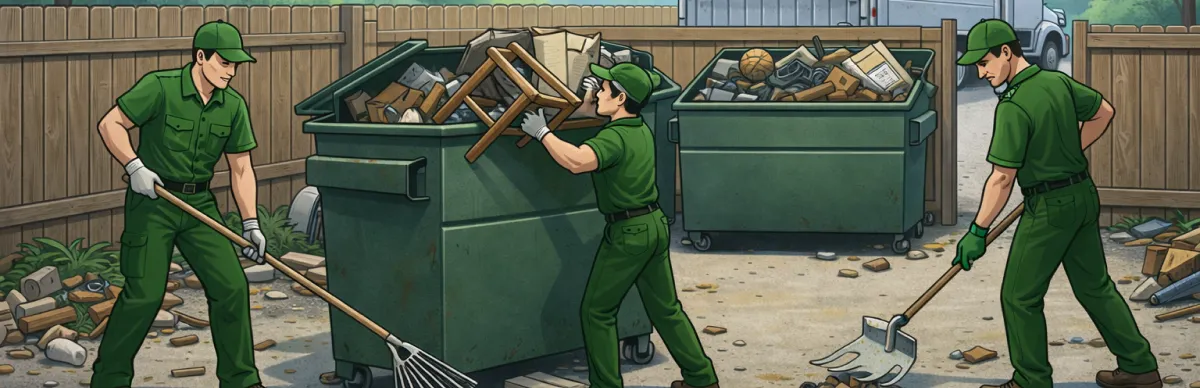
Efficient Waste Removal
Cost-Effective Solutions
Regulatory Compliance
Eco-Friendly Disposal
Improved Site Safety
Streamlined Project Timelines
Atlanta's Construction Waste Diversion Requirements and Recycling Mandates
Construction and demolition (C&D) debris represents a significant portion of the solid waste stream in Atlanta, and proper management is governed by both municipal and state regulations. The Georgia Environmental Protection Division (GA EPD) oversees solid waste management statewide, including the permitting and operation of C&D landfills and processing facilities. Georgia's Solid Waste Management Act (O.C.G.A. § 12-8-20 et seq.) establishes the regulatory framework for all solid waste handling, including construction debris generated from renovation, demolition, and new building projects. Key requirements for construction waste in Atlanta include:
- Material separation is strongly encouraged for wood, metal, concrete, brick, and asphalt to maximize diversion from landfills
- Inert waste such as concrete, brick, and rock may be directed to inert waste landfills, which have separate permitting requirements under GA EPD rules
- Hazardous materials including lead paint, asbestos-containing materials, and chemical solvents are prohibited from C&D waste streams and must be handled separately
- Illegal dumping of construction debris carries penalties under both city ordinances and state law, including fines and potential criminal charges
- Waste haulers transporting C&D materials within Atlanta must comply with city licensing requirements and use approved disposal facilities
Building Permits and Demolition Debris Compliance in Atlanta
Any construction, renovation, or demolition project in Atlanta that generates significant waste must first secure the appropriate permits through the city's building and zoning division. The Atlanta Buildings & Zoning office administers permits for demolition, structural renovation, and new construction, all of which carry waste management implications. Before demolition begins, contractors and property owners should be aware of the following requirements:
- Demolition permits must be obtained prior to any structural teardown; applications require documentation of utility disconnections and asbestos survey results
- Asbestos inspections are mandatory for buildings constructed before 1980, and any friable asbestos must be abated by a licensed contractor before demolition proceeds
- Lead paint assessments are required under the EPA Renovation, Repair, and Painting Rule for pre-1978 structures undergoing renovation or demolition
- Debris removal timelines are typically stipulated in the permit conditions, requiring site clearance within a specified period after project completion
Atlanta Buildings & Zoning
55 Trinity Avenue SW, Suite 3900, Atlanta, GA 30303
Phone: (404) 330-6070
Official Website: Atlanta Buildings & Zoning
Coordinating Construction Debris Disposal with Atlanta's Department of Public Works
Atlanta's Department of Public Works plays a central role in managing the city's solid waste infrastructure, including oversight of hauler operations and right-of-way usage related to construction projects. Contractors generating C&D waste must coordinate with this department to ensure debris removal activities comply with city regulations regarding street access, truck routing, and disposal site authorization. Important coordination steps include:
- Right-of-way permits are required when construction debris removal vehicles need to stage on public streets or block traffic lanes during loading operations
- Operating hours for construction-related hauling in residential areas are generally restricted to daytime hours to comply with Atlanta's noise ordinances
- Approved disposal facilities must be used for all C&D waste; haulers should verify that receiving landfills or processing facilities hold valid GA EPD permits
- Bulk debris from residential renovation projects may not be placed in standard curbside collection bins; separate arrangements must be made through licensed haulers
- Street cleaning after debris loading is the responsibility of the contractor or property owner to prevent stormwater contamination
Atlanta Department of Public Works
55 Trinity Avenue SW, Suite 4700, Atlanta, GA 30303
Phone: (404) 330-6333
Official Website: Atlanta Department of Public Works
Stormwater Protection and Environmental Compliance for Atlanta Construction Sites
Construction waste management in Atlanta is closely tied to stormwater and erosion control requirements administered by the Atlanta Department of Watershed Management. Land-disturbing activities that generate debris must implement erosion, sedimentation, and pollution prevention measures to protect Atlanta's waterways and comply with federal Clean Water Act provisions. The EPA Region 4 Southeast office provides additional federal oversight for construction stormwater compliance. Key environmental compliance considerations include:
- Stormwater Pollution Prevention Plans (SWPPPs) are required for construction sites disturbing one or more acres of land, and these plans must address debris containment and waste storage
- Sediment barriers and containment measures must prevent construction waste materials from entering storm drains, creeks, or the Chattahoochee River watershed
- Concrete washout areas must be designated on-site to prevent alkaline runoff from contaminating stormwater systems
- Waste storage areas on construction sites must be covered or contained to prevent wind-blown debris and rainwater contact with hazardous materials
- Inspections by the Atlanta Department of Watershed Management or Atlanta Inspections & Code Enforcement may occur to verify compliance with erosion control and waste management requirements
Atlanta Department of Watershed Management
72 Marietta Street NW, Atlanta, GA 30303
Phone: (404) 546-3440
Official Website: Atlanta Department of Watershed Management
Hazardous Material Handling and OSHA Safety Standards for Atlanta Construction Projects
Construction waste frequently contains hazardous materials that require specialized handling, particularly in Atlanta's older building stock. Federal OSHA regulations and Georgia state safety standards impose strict requirements on contractors and waste handlers who encounter asbestos, lead-based paint, chemical residues, or other regulated substances during demolition and renovation work. Compliance with these standards is essential to protect workers, residents, and the environment:
- Asbestos-containing materials (ACM) must be identified through a certified inspection before any demolition; removal must be performed by Georgia-licensed asbestos abatement contractors following EPA NESHAP regulations
- Lead-based paint in pre-1978 buildings requires EPA RRP-certified contractors for renovation work; waste containing lead paint must be disposed of as hazardous waste
- OSHA construction standards (29 CFR 1926) mandate personal protective equipment, fall protection, and hazard communication for workers handling construction debris
- Chemical waste including solvents, adhesives, paints, and treated wood preservatives must be segregated from general C&D debris and disposed of through licensed hazardous waste facilities
- Worker training in hazardous material recognition and safe handling procedures is required under OSHA's Hazard Communication Standard before employees engage in demolition or debris removal activities
Atlanta Inspections & Code Enforcement
55 Trinity Avenue SW, Atlanta, GA 30303
Phone: (404) 330-6190
Official Website: Atlanta Inspections & Code Enforcement
What Neighborhoods Do We Serve Throughout Atlanta, GA?
- Midtown: High-rise and mid-rise construction projects generate substantial C&D waste volumes. Service elevator coordination and loading dock scheduling are typically required, and street-level staging may necessitate right-of-way permits due to heavy pedestrian and vehicle traffic on Peachtree Street.
- Old Fourth Ward: A mix of historic structures and new infill development creates varied waste management challenges. Pre-1950s buildings often require asbestos and lead paint surveys before renovation debris can be removed, and narrow residential streets may limit truck access.
- Buckhead: Large-scale commercial and residential development projects produce significant demolition debris. Contractors must coordinate with property management for access to gated communities and commercial complexes, and HOA regulations may restrict hauling schedules.
- Grant Park: This historic district features Victorian-era homes where renovation projects must comply with historic preservation guidelines. Construction waste from these properties frequently includes plaster, original wood trim, and potentially hazardous legacy materials requiring careful sorting.
- West End: Active neighborhood revitalization and community development projects generate ongoing construction waste. Coordination with the Atlanta Office of Housing & Community Development may be necessary for publicly funded renovation projects.
- East Atlanta: Residential infill construction on smaller lots presents logistical challenges for debris staging and removal. Limited on-site storage space often requires more frequent waste hauling, and tree canopy preservation ordinances may affect equipment access through the Atlanta Arborist Division.