
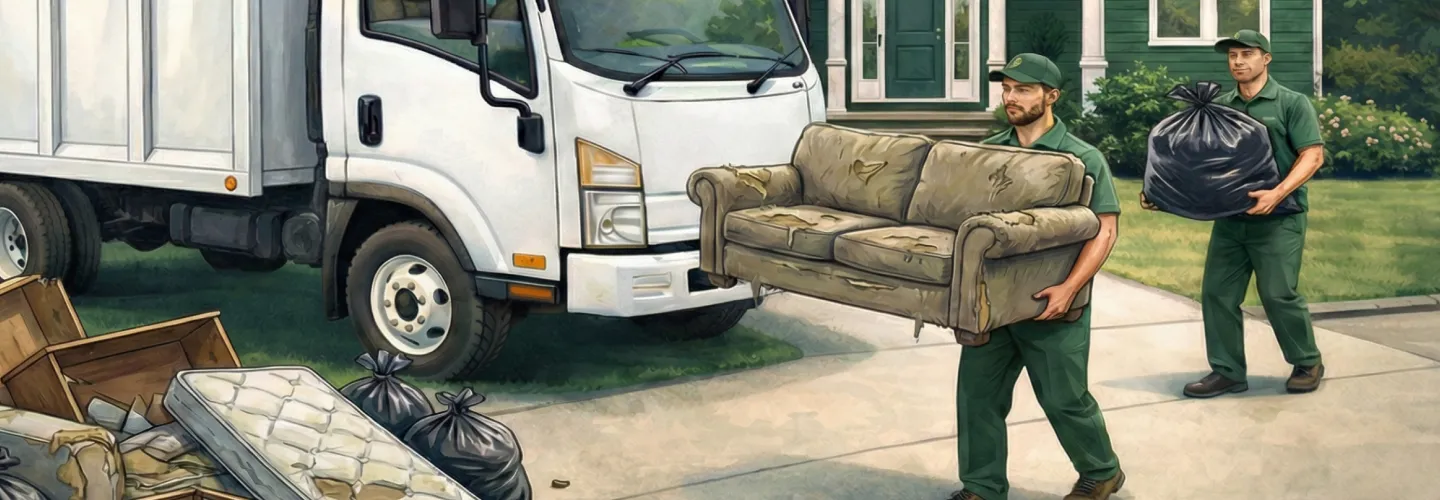
Atlanta Yard Waste Removal Services
Choose our Yard Waste Removal for fast, eco-friendly service that keeps your property spotless and your weekends worry-free.
Get a Free QuoteOur Atlanta Junk Removal Services
Yard Waste Removal in Atlanta, GA – Local Service Guide
Yard waste removal in Atlanta is essential for maintaining curb appeal and meeting city regulations, especially in neighborhoods like Virginia-Highland, Buckhead, and Grant Park. Seasonal cleanups are common in spring and fall, when residents tackle leaf piles, fallen branches, and storm debris. Homeowners often need removal services after major weather events or during landscaping projects, while property managers in flood-prone areas like Peachtree Creek must address frequent debris accumulation. For residential items, such as old sheds or scrap metal, timing often aligns with home renovations or appliance upgrades. Commercial properties in Midtown and West End require regular yard waste management to keep outdoor spaces safe and attractive, with operational needs varying by industry and property size. Specialty projects, such as estate cleanouts or construction debris removal, demand careful planning and coordination, especially when navigating Atlanta’s permitting requirements and neighborhood access restrictions. For more on local rules and resources, visit the Atlanta Department of Public Works.
Key Considerations for Yard Waste Removal in Atlanta
- Seasonal timing: peak demand after storms and during spring/fall cleanups
- Permits: required for large-scale removals or tree work
- Disposal channels: composting, recycling, or landfill options
- Access: narrow driveways and tree-lined streets can impact logistics
- Volume: plan for high output in areas with dense tree coverage
- Coordination: schedule pickups around local collection days and weather patterns
Benefits of Yard Waste Removal in Atlanta
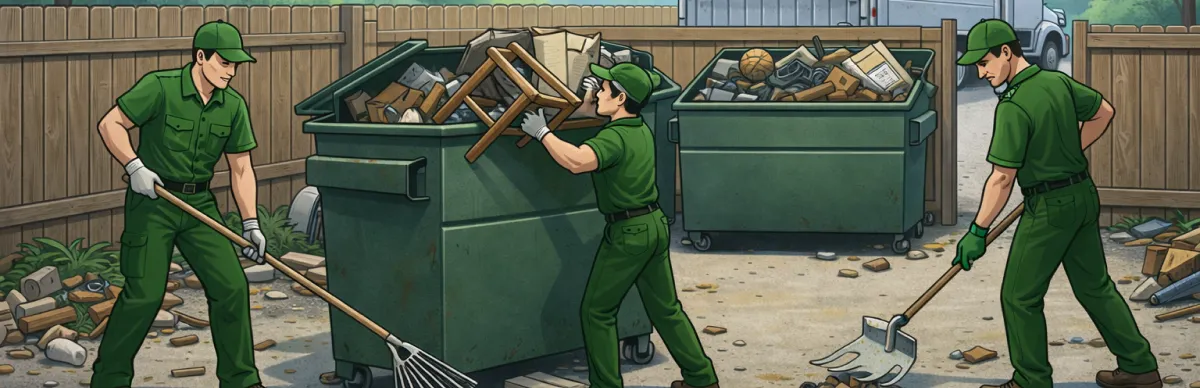
Fast Yard Waste Pickup
Eco-Friendly Disposal
Affordable Service Rates
Licensed and Insured Team
Flexible Scheduling Options
Comprehensive Cleanup Solutions
Coordinating Yard Waste Collection with Atlanta's Department of Public Works
Atlanta residents must follow specific guidelines when preparing yard waste for curbside collection. The City of Atlanta's Department of Public Works manages residential yard debris pickup as part of its regular sanitation services. Yard waste must be separated from household trash and placed curbside in approved containers or bundles. Key preparation requirements include:
- Branches and limbs must be cut to lengths no longer than four feet and bundled with twine or string
- Loose yard debris such as leaves, grass clippings, and small trimmings must be placed in paper yard waste bags or personal containers not exceeding 50 pounds
- Plastic bags are prohibited for yard waste collection; only biodegradable paper bags or open containers are accepted
- Stumps, root balls, and dirt are not accepted through regular curbside collection and require separate disposal arrangements
- Yard waste must be placed at the curb by 7:00 AM on the scheduled collection day
Residents should confirm their specific collection day through the Department of Public Works, as schedules vary by neighborhood zone.
Atlanta Department of Public Works
55 Trinity Avenue SW, Suite 4700, Atlanta, GA 30303
Phone: (404) 330-6333
Official Website: Atlanta Department of Public Works
Atlanta's Arborist Division Permit Requirements for Tree and Limb Removal
Before removing trees or large limbs on residential or commercial property in Atlanta, property owners must determine whether an arborist permit is required. The City of Atlanta's Arborist Division enforces the Tree Protection Ordinance, which regulates the removal of trees with a diameter at breast height (DBH) of six inches or greater. Failure to obtain proper permits before tree removal can result in significant fines and mandatory replanting requirements. Important regulatory considerations include:
- Protected trees with a DBH of six inches or more require a permit before removal, even on private property
- Dead, dying, or hazardous trees may qualify for expedited permit review; documentation of the hazard condition is typically required
- Replacement tree planting may be mandated as a condition of the removal permit, depending on the size and species removed
- Historic districts such as Inman Park and Grant Park may impose additional review requirements through local historic preservation guidelines
- Commercial landscaping projects generating large volumes of yard waste must coordinate disposal through licensed haulers
Property owners should submit permit applications to the Arborist Division before scheduling any tree removal or major pruning work that will generate substantial yard waste.
Atlanta Arborist Division
55 Trinity Avenue SW, Suite 3350, Atlanta, GA 30303
Phone: (404) 330-6874
Official Website: Atlanta Arborist Division
Georgia's Solid Waste Management Act and Yard Debris Disposal Compliance
Georgia state law governs the proper handling and disposal of yard waste through the Georgia Comprehensive Solid Waste Management Act (O.C.G.A. § 12-8-20). The Georgia Environmental Protection Division (GA EPD) oversees enforcement and establishes standards for composting facilities, yard waste processing operations, and landfill restrictions. Atlanta residents and commercial landscapers must comply with both state and municipal requirements when disposing of yard debris. Key state-level regulations include:
- Yard trimmings are banned from municipal solid waste landfills in Georgia, meaning leaves, grass, brush, and limbs cannot be disposed of in regular landfill waste streams
- Composting facilities accepting yard waste must hold valid permits from GA EPD and meet operational standards for odor control, stormwater management, and fire prevention
- Commercial yard waste haulers must transport materials to permitted composting or processing facilities rather than landfills
- Illegal dumping of yard waste in waterways, vacant lots, or unauthorized sites carries penalties under both state and local code enforcement
The Atlanta Department of Watershed Management also monitors stormwater impacts related to improperly disposed yard waste, as decomposing organic material in storm drains contributes to water quality degradation and drainage blockages.
Georgia Environmental Protection Division
2 Martin Luther King Jr. Drive SE, Suite 1456 East, Atlanta, GA 30334
Phone: (404) 656-4713
Official Website: Georgia Environmental Protection Division
Sorting and Separation Requirements for Atlanta Yard Waste Disposal
Proper sorting of yard waste materials is essential for compliance with Atlanta's collection standards and Georgia's landfill diversion mandates. Mixing yard waste with household garbage, construction debris, or hazardous materials can result in collection refusal, code enforcement citations, and contamination of composting operations. Atlanta residents and landscaping contractors must observe the following separation protocols:
- Acceptable yard waste includes grass clippings, leaves, pine straw, small branches, shrub trimmings, and weeds free of soil
- Prohibited contaminants include treated lumber, painted wood, plastic pots, landscape fabric, rocks, concrete, and soil
- Invasive species such as kudzu or English ivy should be bagged separately in paper bags to prevent spread during transport and composting
- Storm debris following severe weather events may qualify for special collection programs coordinated through the Atlanta Department of Public Works; residents should monitor city announcements for temporary drop-off sites and extended collection schedules
- Large-volume generators including commercial landscapers must use licensed yard waste haulers and deliver materials to GA EPD-permitted composting facilities
Residents who are uncertain about accepted materials should contact the Department of Public Works before placing items curbside to avoid service disruptions or penalties from Atlanta Inspections & Code Enforcement.
Stormwater Protection and Environmental Safeguards for Yard Waste in Atlanta
Improper yard waste disposal poses direct environmental risks to Atlanta's waterways and stormwater infrastructure. The Atlanta Department of Watershed Management enforces stormwater regulations that intersect with yard waste handling, particularly when debris enters storm drains, creeks, or the Chattahoochee River watershed. Yard waste left in streets, gutters, or near storm inlets can cause flooding, nutrient pollution, and violations of federal Clean Water Act standards. Environmental compliance measures include:
- Never blow or rake leaves, grass clippings, or debris into streets, gutters, or storm drains; this practice violates Atlanta's stormwater management ordinances
- Composting on-site is encouraged as an alternative to curbside collection; backyard composting reduces transportation emissions and diverts organic material from processing facilities
- Erosion and sediment control is required when large-scale land clearing or tree removal exposes bare soil; silt fencing or erosion blankets may be mandated by the city
- Pesticide-treated yard waste should be disclosed to haulers and composting facilities, as chemical residues can compromise compost quality and violate GA EPD permit conditions
- Watershed protection zones near creeks and rivers may impose additional setback and disposal restrictions
For questions regarding stormwater compliance related to yard waste, contact the Atlanta Department of Watershed Management directly.
Atlanta Department of Watershed Management
72 Marietta Street NW, Atlanta, GA 30303
Phone: (404) 546-3440
Official Website: Atlanta Department of Watershed Management
What Neighborhoods Do We Serve Throughout Atlanta, GA?
- Buckhead: Large residential lots with mature tree canopies generate significant seasonal leaf and branch debris. Properties frequently require arborist permits for tree removal due to the prevalence of protected hardwood species exceeding six-inch DBH thresholds.
- Midtown: Dense urban landscaping and townhome communities produce moderate yard waste volumes. Limited curbside staging space requires careful bundling and scheduling to avoid blocking sidewalks or bike lanes.
- Grant Park: Historic district designation may impose additional review for tree removal permits. Older properties with established gardens generate consistent seasonal yard waste including large shrub trimmings and leaf accumulation.
- East Atlanta: Single-family homes with standard lot sizes produce typical residential yard waste. Narrow side streets may limit access for commercial landscaping trucks hauling large volumes of debris.
- West End: Mixed residential properties with varying lot conditions require attention to proper curbside placement. Community revitalization efforts often generate increased yard waste from property improvement and land clearing projects.
- Kirkwood: Mature tree-lined streets create heavy seasonal leaf fall requiring frequent collection. Residents should bundle branches carefully, as narrow driveways and close property setbacks can complicate large-scale yard waste staging.
- Collier Hills: Hilly terrain and wooded lots produce substantial brush and limb debris, particularly after storms. Steep driveways and sloped yards may require additional handling considerations for large-volume yard waste removal.