
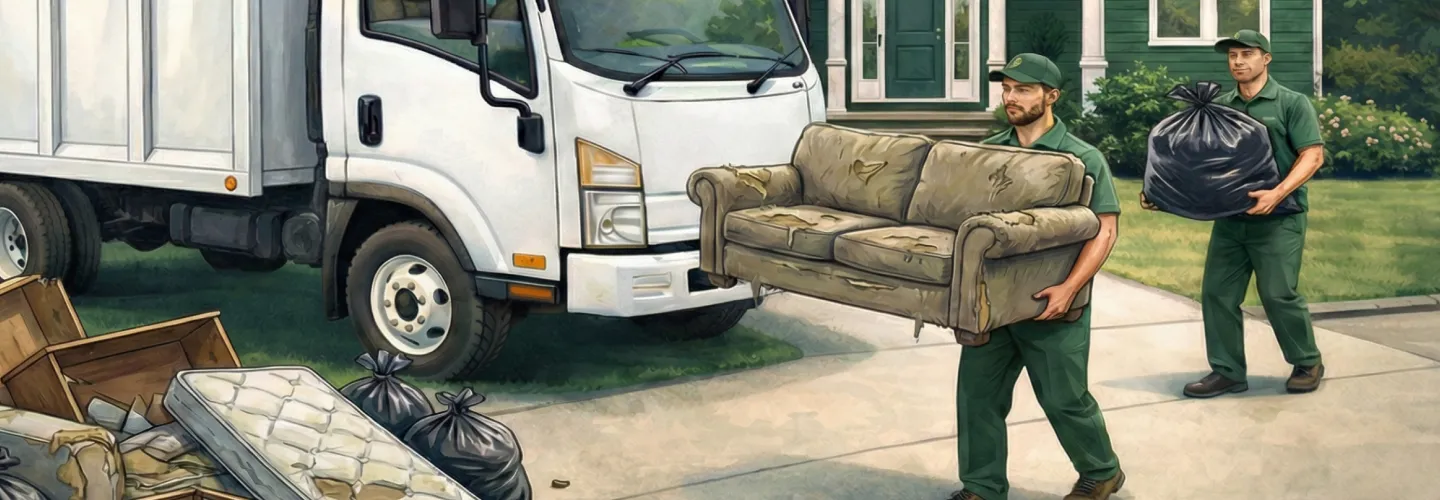
Atlanta Foreclosure Clean Outs Services
Choose our foreclosure clean out services for prompt, thorough, and hassle-free property cleanups—ensuring your property is market-ready and stress-free every step of the way.
Get a Free QuoteOur Atlanta Junk Removal Services
Foreclosure Clean Outs in Atlanta, GA – Local Service Guide
Foreclosure clean outs in Atlanta require a strategic approach tailored to the city’s diverse neighborhoods, from Buckhead’s upscale homes to the historic properties in Grant Park and the bustling commercial corridors of Midtown. For residential items like furniture, appliances, and electronics, clean outs often coincide with property turnovers, seasonal moves, or after major life events. In Atlanta, spring and fall are peak times due to favorable weather and increased real estate activity. Local donation centers and recycling facilities offer eco-friendly disposal options, while larger items may require special handling due to access or weather constraints, especially in areas with narrow driveways or frequent rain.
Residential spaces such as garages and basements often need attention after storms or during yard waste cycles, particularly in flood-prone zones like Peachtree Creek. Commercial properties—offices, restaurants, and warehouses in Downtown or West End—face unique challenges, including after-hours scheduling and high-volume removals. Specialty clean outs, such as for hoarding or construction debris, demand careful planning and coordination, often involving multiple service providers and adherence to city regulations.
Benefits of Foreclosure Clean Outs in Atlanta
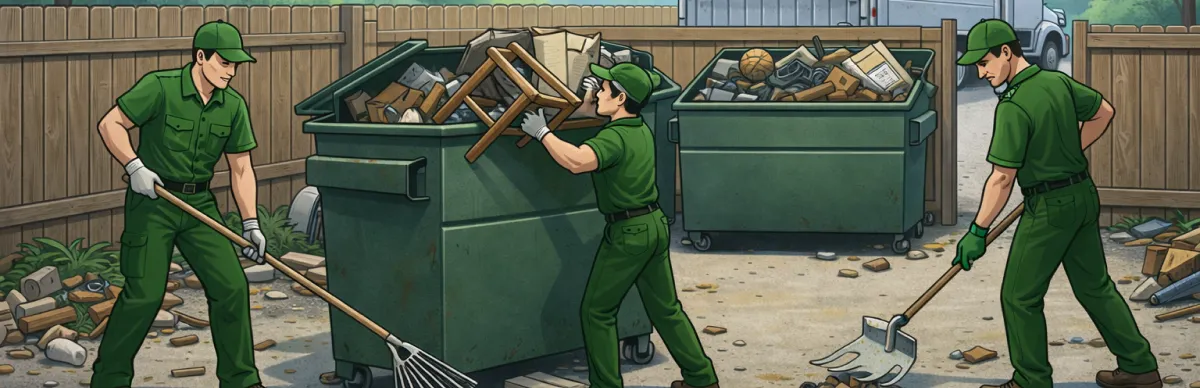
Fast Turnaround Times
Comprehensive Property Cleaning
Experienced Local Team
Eco-Friendly Disposal Solutions
Flexible Scheduling Options
Affordable Transparent Pricing
Coordinating Foreclosure Clean Outs with Atlanta's Department of Public Works and Solid Waste Services
Foreclosure clean outs in Atlanta require coordination with municipal waste management programs to ensure compliant disposal of accumulated household contents. The Atlanta Department of Public Works oversees sanitation services, bulk item collection, and right-of-way management for removal operations. Properties in foreclosure often contain large volumes of abandoned furniture, appliances, personal belongings, and yard debris that must be sorted and disposed of according to city guidelines.
- Bulk item pickup must be scheduled in advance through the Department of Public Works; items placed curbside without authorization may result in code violations
- Commercial haulers performing foreclosure clean outs must maintain proper business licensing and insurance
- Right-of-way permits may be required when removal trucks need extended curbside loading access on public streets
- Yard waste and debris must be separated from household items and disposed of through designated channels
Atlanta Department of Public Works
55 Trinity Avenue SW, Atlanta, GA 30303
Phone: (404) 330-6333
Official Website: Atlanta Department of Public Works
Atlanta Code Enforcement and Property Maintenance Standards for Foreclosed Properties
Foreclosed properties in Atlanta are subject to strict property maintenance codes enforced by the city's Inspections & Code Enforcement division. Lenders, servicers, and property preservation companies responsible for foreclosed homes must ensure timely clean out to avoid violations and municipal liens. Atlanta's code enforcement officers actively monitor vacant and foreclosed properties for accumulated debris, overgrown vegetation, and unsecured structures.
- Property registration may be required for vacant foreclosed properties; failure to register can result in fines
- Exterior debris including abandoned furniture, appliances, and trash must be removed within designated timeframes after notice
- Securing the property against unauthorized entry is mandatory; boarding standards must meet city specifications
- Overgrown vegetation exceeding city height limits must be addressed during the clean out process
- Illegal dumping on or near foreclosed properties carries penalties under Atlanta municipal ordinances
Atlanta Inspections & Code Enforcement
55 Trinity Avenue SW, Atlanta, GA 30303
Phone: (404) 330-6190
Official Website: Atlanta Inspections & Code Enforcement
Georgia's Solid Waste Management Act and Hazardous Material Handling During Foreclosure Clean Outs
Foreclosure clean outs must comply with the Georgia Comprehensive Solid Waste Management Act (O.C.G.A. § 12-8-20) and regulations enforced by the Georgia Environmental Protection Division. Foreclosed properties frequently contain hazardous materials including old paint, cleaning chemicals, pesticides, automotive fluids, and deteriorated building materials that require special handling and cannot be placed in standard waste streams.
- Lead-based paint is common in pre-1978 Atlanta homes; the EPA Renovation, Repair, and Painting Rule requires lead-safe work practices during disturbance of painted surfaces
- Asbestos-containing materials such as floor tiles, insulation, and pipe wrap in older properties require licensed abatement before removal
- Household hazardous waste including paints, solvents, batteries, and propane tanks must be taken to designated collection facilities
- Appliances containing refrigerants (refrigerators, air conditioners, dehumidifiers) require certified refrigerant recovery per EPA Section 608 regulations before disposal
- Electronics should be directed to e-waste recycling programs rather than landfill disposal
Georgia Environmental Protection Division
2 Martin Luther King Jr. Drive SE, Suite 1456 East, Atlanta, GA 30334
Phone: (404) 656-4713
Official Website: Georgia Environmental Protection Division
Recycling, Donation, and Landfill Diversion Strategies for Atlanta Foreclosure Clean Outs
Responsible foreclosure clean out operations in Atlanta should prioritize material recovery and landfill diversion. Many items found in foreclosed homes—furniture, appliances, clothing, and building materials—can be recycled or donated rather than sent to landfills. Atlanta-area organizations such as Habitat for Humanity ReStore accept usable furniture, cabinets, fixtures, and building supplies for resale and reuse.
- Scrap metal including copper piping, aluminum, steel appliances, and iron fixtures can be separated and directed to licensed scrap recycling facilities
- Mattresses and box springs should be directed to mattress recycling programs when available; Georgia does not currently have a mandatory mattress EPR program
- Electronics and e-waste including televisions, computers, and monitors should be taken to certified e-waste recyclers
- Reusable furniture and household goods in serviceable condition should be offered to local donation centers before disposal
- Construction debris such as wood, drywall, and concrete from any necessary repairs should be separated for recycling where facilities accept these materials
- Yard waste must be kept separate from household debris and disposed of through composting or yard waste collection programs
Stormwater Protection and Environmental Compliance During Atlanta Foreclosure Property Clean Outs
Foreclosure clean out operations must account for stormwater and environmental protection requirements, particularly when debris is staged outdoors or when properties have experienced neglect. The Atlanta Department of Watershed Management enforces stormwater management regulations that apply to property maintenance and debris removal activities. Improperly managed clean out debris can contribute to stormwater pollution, clogged drainage systems, and environmental violations.
- Debris staging areas should be positioned away from storm drains, creeks, and drainage channels to prevent runoff contamination
- Liquid waste including old paint, chemicals, and automotive fluids must never be poured into storm drains or onto the ground
- Loose materials such as insulation, paper, and lightweight debris must be contained to prevent wind dispersal into waterways
- Mold-affected materials from water-damaged foreclosed properties require bagging and containment before transport
- Erosion control may be necessary on properties with significant ground disturbance or exposed soil after debris removal
Atlanta Department of Watershed Management
72 Marietta Street NW, Atlanta, GA 30303
Phone: (404) 546-3440
Official Website: Atlanta Department of Watershed Management
What Neighborhoods Do We Serve Throughout Atlanta, GA?
- Vine City: Older housing stock with many pre-1950s homes requiring lead paint and asbestos awareness during clean outs. Narrow lot configurations and on-street parking may limit truck staging for large-volume removal projects.
- West End: Historic district designation in portions of this neighborhood may impose additional requirements for exterior work and debris staging. Single-family foreclosures are common, often requiring full-property clean outs including basement and attic contents.
- Pittsburgh: High concentration of vacant and foreclosed properties means code enforcement activity is frequent. Properties may have accumulated significant debris over extended vacancy periods, requiring multi-day clean out operations.
- English Avenue: Smaller residential lots with limited driveway access require careful logistics planning. Many properties contain deteriorated building materials that may include hazardous components requiring special handling.
- Bankhead: Mix of single-family and multi-family foreclosed properties with varying access conditions. Proximity to commercial corridors may require coordination with local businesses during removal truck staging.
- Grove Park: Predominantly single-family residential area with mature tree canopy that may affect overhead clearance for larger removal vehicles. Properties in this neighborhood frequently require yard debris removal in addition to interior clean out.
- Sylvan Hills: Combination of older bungalows and mid-century homes with crawl spaces and detached garages that often contain additional stored items. Street widths generally accommodate standard removal vehicles without special permits.