
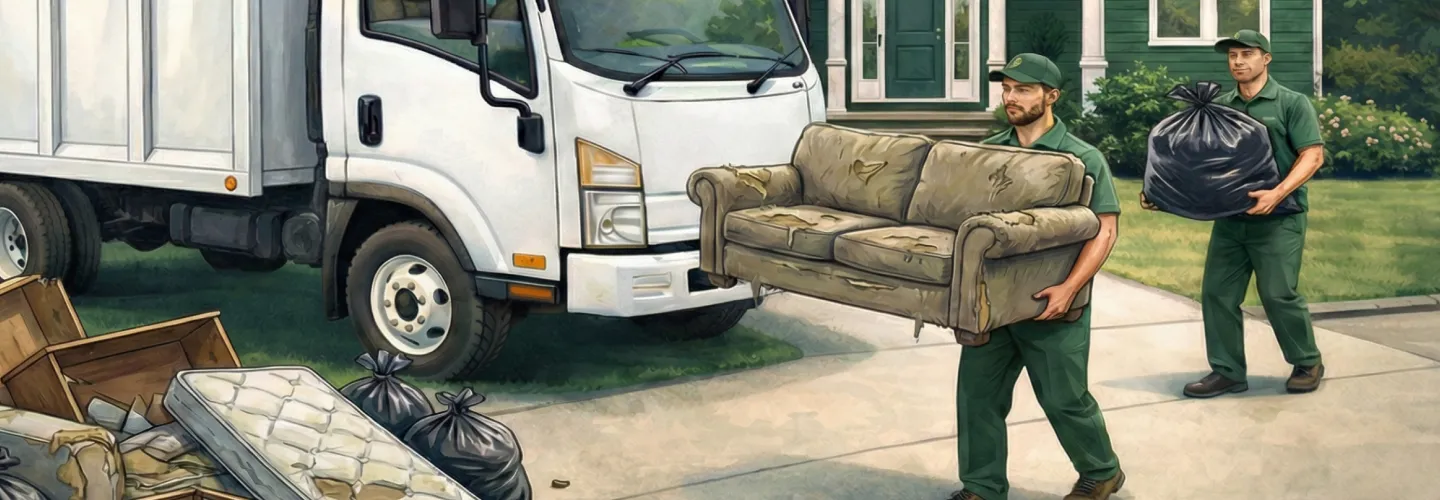
Atlanta Hoarding Cleanup Services
Choose our Hoarding Cleanup team for discreet, respectful, and thorough service—restoring safety, comfort, and peace of mind to your home with experienced professionals who truly care.
Get a Free QuoteOur Atlanta Junk Removal Services
Hoarding Cleanup in Atlanta, GA – Local Service Guide
Hoarding cleanup in Atlanta requires a sensitive, strategic approach tailored to the city’s diverse neighborhoods, from Buckhead’s historic homes to Midtown’s high-rises and East Atlanta’s bungalows. For residential items like furniture, mattresses, and appliances, cleanouts often follow major life events, seasonal upgrades, or storm damage. In neighborhoods such as Grant Park, access and weather can impact logistics, while local donation and recycling centers offer responsible disposal options. Residential spaces—garages, basements, attics, and yards—see increased activity during spring cleanouts or after heavy rains, especially in flood-prone areas like Peachtree Hills. Commercial properties in Downtown and Westside face unique challenges, with offices, restaurants, and warehouses requiring discreet, timely service to minimize disruption. Specialty cleanups, including hoarding, estate, and foreclosure scenarios, demand careful planning, coordination with property managers, and adherence to city regulations. For all categories, understanding Atlanta’s local schedules and disposal rules is essential. For more on local requirements, visit the Atlanta Department of Public Works.
Key Considerations for Hoarding Cleanup in Atlanta
- Timing cleanouts around seasonal weather and local events
- Securing necessary permits for large-scale disposals
- Using approved disposal and recycling channels
- Navigating access in dense or historic neighborhoods
- Managing high volumes and category-specific items
- Coordinating with city services and property managers
Benefits of Hoarding Cleanup in Atlanta
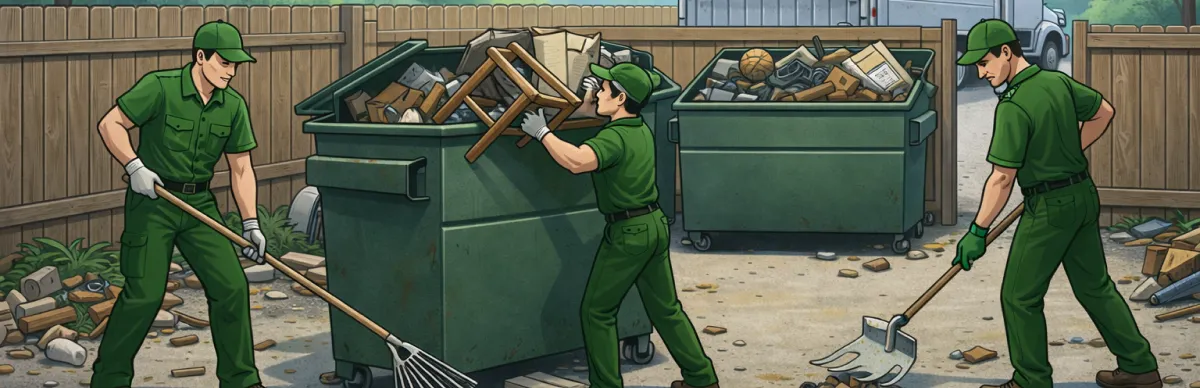
Compassionate and Discreet Service
Certified Cleanup Professionals
Fast Response Times
Thorough Sanitization and Odor Removal
Customized Cleanup Plans
Safe Disposal of Hazardous Materials
Coordinating Hoarding Cleanup with Atlanta's Code Enforcement and Public Health Standards
Hoarding situations in Atlanta frequently involve code enforcement action under the city's property maintenance ordinances. The Atlanta Inspections & Code Enforcement division investigates complaints related to unsanitary conditions, structural hazards, and fire code violations commonly found in hoarding environments. Residents and property owners should understand the following regulatory considerations:
- Property maintenance violations may be issued when accumulated materials obstruct egress, create pest harborage, or compromise structural integrity
- Fire code compliance requires clear pathways of at least 36 inches throughout all habitable spaces and unobstructed access to exits
- Health hazard abatement orders may be issued when biological waste, mold, or vermin infestations are documented
- Reinspection timelines typically require corrective action within a specified period following the initial violation notice
- Condemnation proceedings may occur in extreme cases where the structure is deemed uninhabitable
Coordination with code enforcement officers before and after cleanup ensures that all corrective actions satisfy municipal requirements and that the property is restored to compliant status.
Atlanta Inspections & Code Enforcement
55 Trinity Avenue SW, Atlanta, GA 30303
Phone: (404) 330-6190
Official Website: Atlanta Inspections & Code Enforcement
Biohazard and Hazardous Material Disposal Requirements for Atlanta Hoarding Cases
Hoarding environments in Atlanta frequently contain hazardous materials requiring specialized handling and disposal in accordance with Georgia and federal regulations. The Georgia Environmental Protection Division (GA EPD) oversees solid waste management and hazardous waste disposal standards statewide under the Georgia Comprehensive Solid Waste Management Act (O.C.G.A. § 12-8-20). Common hazardous materials encountered during hoarding cleanup include:
- Biological waste such as animal remains, human waste, and contaminated food requiring disposal through licensed biomedical waste transporters
- Household chemicals including paints, solvents, pesticides, and cleaning agents that are prohibited from regular solid waste streams
- Sharps and medical waste that must be placed in puncture-resistant containers and transported by licensed haulers
- Mold-contaminated materials requiring containment, removal by trained personnel, and disposal at approved facilities
- Asbestos-containing materials in pre-1980 homes, which require licensed abatement contractors per EPA regulations
The Atlanta Department of Watershed Management enforces stormwater pollution prevention requirements, meaning contaminated liquids and debris must not be discharged into storm drains during cleanup operations. Fulton County and DeKalb County each operate household hazardous waste collection facilities where residents may drop off prohibited chemicals at no charge.
Georgia Environmental Protection Division
2 Martin Luther King Jr. Drive SE, Suite 1456, Atlanta, GA 30334
Phone: (404) 656-4713
Official Website: Georgia Environmental Protection Division
Atlanta's Bulk Waste Collection and Transfer Station Access for Hoarding Debris
The volume of material generated during a hoarding cleanup often exceeds what standard residential curbside collection can accommodate. The Atlanta Department of Public Works manages the city's solid waste collection programs, including bulk waste pickup for residential properties. Key disposal logistics for hoarding cleanup projects include:
- Bulk waste pickup must be scheduled in advance by contacting the Department of Public Works; items should be placed curbside by 7:00 AM on the scheduled collection day
- Item limits apply to each scheduled bulk pickup, and hoarding cleanups typically require multiple collection appointments or commercial hauling arrangements
- Commercial waste haulers removing debris from hoarding sites must hold valid business licenses and comply with Atlanta's solid waste ordinances
- Prohibited items such as tires, electronics, appliances containing refrigerants, and hazardous chemicals may not be placed curbside and require separate disposal arrangements
- Recycling separation is encouraged for metals, cardboard, and other recoverable materials to support landfill diversion goals
Residents who prefer to self-haul debris should confirm current hours, accepted materials, and any applicable fees with the Department of Public Works before transporting loads.
Atlanta Department of Public Works
55 Trinity Avenue SW, Suite 4700, Atlanta, GA 30303
Phone: (404) 330-6333
Official Website: Atlanta Department of Public Works
Worker Safety and OSHA Compliance During Hoarding Cleanup in Atlanta
Hoarding cleanup presents significant occupational hazards that require strict adherence to federal Occupational Safety and Health Administration (OSHA) standards and Georgia workplace safety regulations. Properties affected by hoarding may contain unstable stacking, concealed sharps, biological contaminants, and compromised structural elements. Essential safety protocols include:
- Personal protective equipment (PPE) including N95 or P100 respirators, puncture-resistant gloves, eye protection, and disposable coveralls for all workers entering the site
- Lead paint assessment is required in homes built before 1978 under the EPA Renovation, Repair, and Painting Rule; certified renovators must follow lead-safe work practices if paint is disturbed
- Structural assessment should be conducted before heavy debris removal to identify compromised floors, stairways, or load-bearing walls
- Ventilation protocols must address airborne particulates, mold spores, and ammonia from animal waste accumulation
- Injury prevention measures include team lifting for items exceeding 50 pounds, clear egress pathways maintained throughout the cleanup, and fall protection where floor integrity is uncertain
The Atlanta Fire Rescue Department may be consulted regarding fire hazard abatement when accumulated materials block sprinkler systems, smoke detectors, or emergency exits.
Recycling, Donation, and Material Recovery Options for Atlanta Hoarding Cleanouts
Hoarding cleanups in Atlanta generate large volumes of potentially recoverable materials. Georgia's solid waste management framework encourages diversion from landfills through recycling and reuse programs. Cleanup teams should sort materials into the following categories before disposal:
- Usable furniture and household goods may be donated to organizations such as Habitat for Humanity ReStore or local charitable thrift operations that accept gently used items; donation receipts provide tax documentation for property owners
- Electronics and e-waste including televisions, computers, and peripherals should be directed to certified e-waste recyclers, as responsible disposal prevents heavy metals from entering landfills
- Scrap metal including appliance frames, shelving, and hardware can be directed to licensed scrap metal facilities throughout the Atlanta metropolitan area
- Appliances containing refrigerants such as refrigerators, freezers, and air conditioning units require certified refrigerant recovery per EPA Section 608 regulations before recycling or disposal
- Paper, cardboard, and plastics should be separated and placed in appropriate recycling streams consistent with Atlanta's residential recycling program guidelines
Prioritizing material recovery reduces disposal costs, supports environmental compliance, and aligns with Georgia's statewide solid waste reduction goals as administered by the Georgia Environmental Protection Division.
What Neighborhoods Do We Serve Throughout Atlanta, GA?
- Grant Park: Victorian-era homes with narrow hallways and steep staircases present access challenges for large-volume debris removal. Many properties in this historic district may contain lead paint and asbestos-containing materials requiring specialized handling during hoarding cleanup.
- Midtown: A mix of high-rise condominiums and older apartment buildings where hoarding situations may require coordination with building management for service elevator access and loading dock scheduling. Parking permits may be needed for extended curbside loading.
- West End: Predominantly single-family residences with varying structural conditions; some properties subject to active code enforcement cases. Proximity to community resources supports coordination with social services during cleanup.
- Buckhead: Larger residential properties and HOA-governed communities where advance approval and aesthetic screening may be required for cleanup staging. Properties often feature multi-level layouts requiring careful navigation.
- Old Fourth Ward: Historic bungalows and newer mixed-use developments create diverse access conditions. Narrow side streets may limit truck positioning, and historic preservation guidelines may apply to exterior modifications.
- East Atlanta: Craftsman-style homes with basements and attics that frequently accumulate hoarded materials. Alley access behind some properties facilitates rear-loading operations and reduces neighborhood disruption.
- Vine City: Active neighborhood revitalization efforts through the Atlanta Office of Housing & Community Development may intersect with hoarding cleanup cases, particularly in properties undergoing rehabilitation or code compliance remediation.