
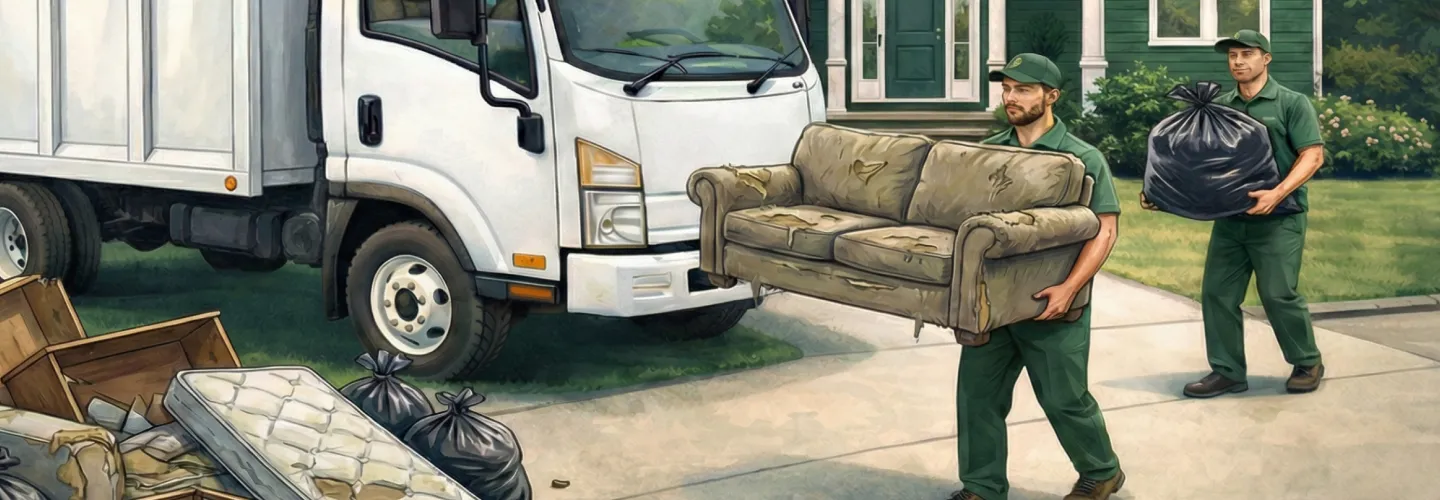
Atlanta Bulk Trash Pickup Services
Choose our Bulk Trash Pickup for reliable, hassle-free service that keeps your property clean and clutter-free—saving you time, effort, and ensuring responsible disposal every time.
Get a Free QuoteOur Atlanta Junk Removal Services
Bulk Trash Pickup in Atlanta, GA – Local Service Guide
Bulk trash pickup in Atlanta is essential for managing large items and debris from homes and businesses across neighborhoods like Buckhead, Grant Park, and West End. For residential items such as furniture, mattresses, appliances, and hot tubs, pickups often coincide with seasonal cleanouts, home renovations, or after major life events. Residents may donate usable items, recycle electronics and scrap metal, or schedule city-approved disposal. Access and weather—especially during Atlanta’s rainy springs—can affect logistics, particularly for oversized items or properties with limited driveway space.
Residential spaces like garages, basements, and yards see increased bulk waste after storms, during fall leaf cycles, or when preparing for property sales. Areas prone to flooding or with heavy tree coverage, such as East Atlanta, may require more frequent pickups. Commercial sectors—offices in Midtown, restaurants in Little Five Points, and construction sites—face unique needs, including discreet, after-hours service and handling high volumes. Specialty pickups for foreclosures, estates, or hoarding situations demand careful planning and coordination, often involving multiple parties and strict timelines. For local rules and scheduling, visit the Atlanta Department of Public Works.
Key Considerations for Bulk Trash Pickup in Atlanta
- Timing pickups around neighborhood schedules and weather
- Securing permits for large or specialty items
- Choosing proper disposal or recycling channels
- Ensuring clear access for collection vehicles
- Estimating volume and category-specific requirements
- Coordinating with city or private haulers for complex jobs
Benefits of Bulk Trash Pickup in Atlanta
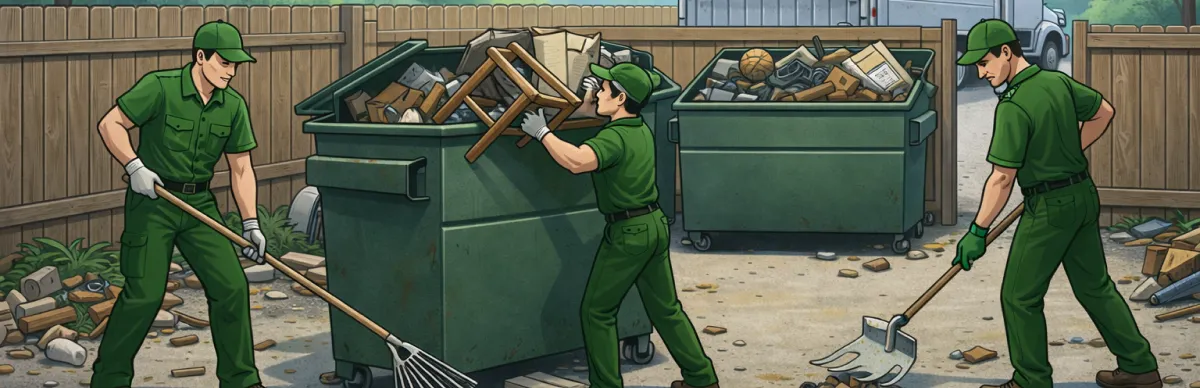
Fast and Reliable Service
Convenient Scheduling Options
Eco-Friendly Disposal Solutions
Affordable Bulk Pickup Rates
Experienced Local Team
Safe and Efficient Removal
Scheduling Bulk Trash Pickup Through Atlanta's Department of Public Works
Atlanta residents can request bulk trash pickup through the city's Department of Public Works, which manages curbside collection of oversized household items that do not fit in standard waste carts. Residents must call to schedule a pickup appointment, and items should be placed at the curb by 7:00 AM on the designated collection day. Key requirements include:
- Eligible items: furniture, appliances (with refrigerant properly removed), mattresses, large household goods, and non-hazardous bulky waste
- Placement rules: items must be set curbside, not blocking sidewalks, fire hydrants, or storm drains
- Prohibited materials: hazardous waste, construction debris, tires, and automotive parts are not accepted through standard bulk pickup
- Scheduling: residents should request service in advance; same-day pickup is generally not available
- Quantity limits: the city may restrict the number of items or volume per pickup event
Failure to follow placement guidelines may result in code enforcement action through Atlanta Inspections & Code Enforcement.
Atlanta Department of Public Works
55 Trinity Avenue SW, Suite 4700, Atlanta, GA 30303
Phone: (404) 330-6333
Official Website: Atlanta Department of Public Works
Georgia's Solid Waste Management Act and Bulk Disposal Compliance
All bulk trash disposal in Atlanta must comply with the Georgia Comprehensive Solid Waste Management Act (O.C.G.A. § 12-8-20) administered by the Georgia Environmental Protection Division. This state law establishes standards for solid waste handling, transportation, and disposal that directly affect how residents and haulers manage bulky items. Important compliance considerations include:
- Illegal dumping prohibition: disposing of bulk items on vacant lots, roadsides, or waterways carries fines up to $1,000 per day for individuals and higher penalties for commercial violators
- Hauler requirements: any company transporting bulk waste must comply with GA EPD permitting and manifest requirements
- Landfill restrictions: lead-acid batteries, used motor oil, and electronics should be diverted from landfills through designated recycling channels
- Appliance disposal: units containing refrigerants must have those substances recovered by an EPA Section 608-certified technician before disposal
- Yard waste separation: yard debris collected alongside bulk trash must be kept separate for composting or mulching
The Georgia Environmental Protection Division oversees enforcement and provides guidance on proper disposal methods statewide.
Prohibited Items and Hazardous Material Restrictions for Atlanta Bulk Pickup
Atlanta's bulk trash pickup program does not accept hazardous materials, and residents must identify and separate restricted items before placing bulk waste at the curb. Improper disposal of prohibited materials can result in code violations and environmental contamination. Materials excluded from bulk collection include:
- Hazardous chemicals: paints, solvents, pesticides, motor oil, and antifreeze must be taken to a household hazardous waste collection event
- Electronics (e-waste): televisions, computer monitors, and other electronic devices should be recycled through designated drop-off programs rather than placed in bulk trash
- Medical waste: needles, pharmaceuticals, and biohazard materials require specialized disposal
- Construction and demolition debris: drywall, lumber, roofing materials, and concrete are not accepted in residential bulk pickup and must be hauled to an approved facility
- Tires: most landfills in Georgia restrict tire disposal; tire retailers and recycling facilities accept used tires
Residents in pre-1978 homes should be aware that items containing lead paint require handling consistent with the EPA Renovation, Repair, and Painting Rule. The Atlanta Department of Watershed Management also advises that bulk items should never be placed near storm drains to prevent stormwater pollution.
Recycling and Donation Alternatives for Bulk Items in Atlanta
Before scheduling bulk trash pickup, Atlanta residents are encouraged to explore recycling and donation options that divert reusable materials from landfills. Georgia does not currently have a mandatory mattress EPR program, but several local organizations accept gently used furniture, appliances, and household goods. Recommended diversion strategies include:
- Furniture and household goods: organizations such as Habitat for Humanity ReStore in Atlanta accept donations of usable furniture, cabinets, and fixtures
- Appliance recycling: working refrigerators, washers, and dryers may be accepted by scrap metal recyclers or appliance retailers offering trade-in programs
- Mattress recycling: while Georgia lacks a statewide mattress recycling mandate, some private recyclers in the metro Atlanta area disassemble mattresses for material recovery
- Scrap metal: metal bed frames, shelving, and appliance components can be taken to licensed scrap yards for recycling
- Electronics: e-waste drop-off events are periodically hosted by Fulton County and the City of Atlanta for safe recycling of computers, televisions, and peripherals
Prioritizing reuse and recycling supports Atlanta's waste reduction goals and reduces the volume of material sent to regional landfills.
Code Enforcement and Curbside Placement Rules for Atlanta Bulk Waste
Atlanta's code enforcement division actively monitors improper bulk waste placement, and violations can result in citations and fines. Residents must adhere to specific placement and timing rules when setting out items for bulk collection. Key regulations include:
- Timing: items should only be placed at the curb within 24 hours of the scheduled pickup; early placement may trigger a code violation
- Location: bulk items must be placed on the resident's curb strip, not on sidewalks, in the street, or on neighboring properties
- Stacking: items should be neatly organized and not piled in a manner that obstructs pedestrian or vehicle traffic
- No bagged debris: loose debris, small items, and household trash must remain in standard waste containers and are not part of bulk pickup
- Repeat violations: chronic improper placement or illegal dumping may result in escalating fines and mandatory property cleanup orders
Residents with questions about placement requirements or enforcement actions should contact the city's code enforcement office directly.
Atlanta Inspections & Code Enforcement
55 Trinity Avenue SW, Suite 3350, Atlanta, GA 30303
Phone: (404) 330-6190
Official Website: Atlanta Inspections & Code Enforcement
What Neighborhoods Do We Serve Throughout Atlanta, GA?
- Midtown: A mix of high-rise condominiums and older apartment buildings with service elevator access requirements. Bulk pickup coordination with building management is often necessary, and street parking for collection vehicles may be limited during peak hours.
- Grant Park: Historic bungalows and Victorian-era homes with narrow driveways and mature tree canopy. Residents in this historic district should verify that bulk items do not obstruct sidewalks or encroach on protected green spaces.
- Buckhead: Large single-family homes and estate properties generate significant volumes of bulk waste during renovations and estate cleanouts. HOA regulations in many Buckhead subdivisions may impose additional placement and timing restrictions.
- Old Fourth Ward: Rapidly developing area with a mix of new construction and older walk-up apartments. Narrow side streets and limited alley access can affect collection vehicle routing and curbside placement options.
- West End: Predominantly single-family residential neighborhood with wide residential streets that accommodate standard bulk pickup vehicles. Proximity to community revitalization programs through the Atlanta Office of Housing & Community Development may provide additional cleanup resources.
- East Atlanta: Eclectic mix of craftsman homes and small commercial properties. Weekend street events and farmers markets may temporarily restrict curbside access, requiring advance scheduling for bulk collection.
- Vine City: An area undergoing significant redevelopment with older housing stock that may contain lead paint or asbestos in discarded building materials. Residents should exercise caution and consult code enforcement before disposing of renovation-related bulk items.