
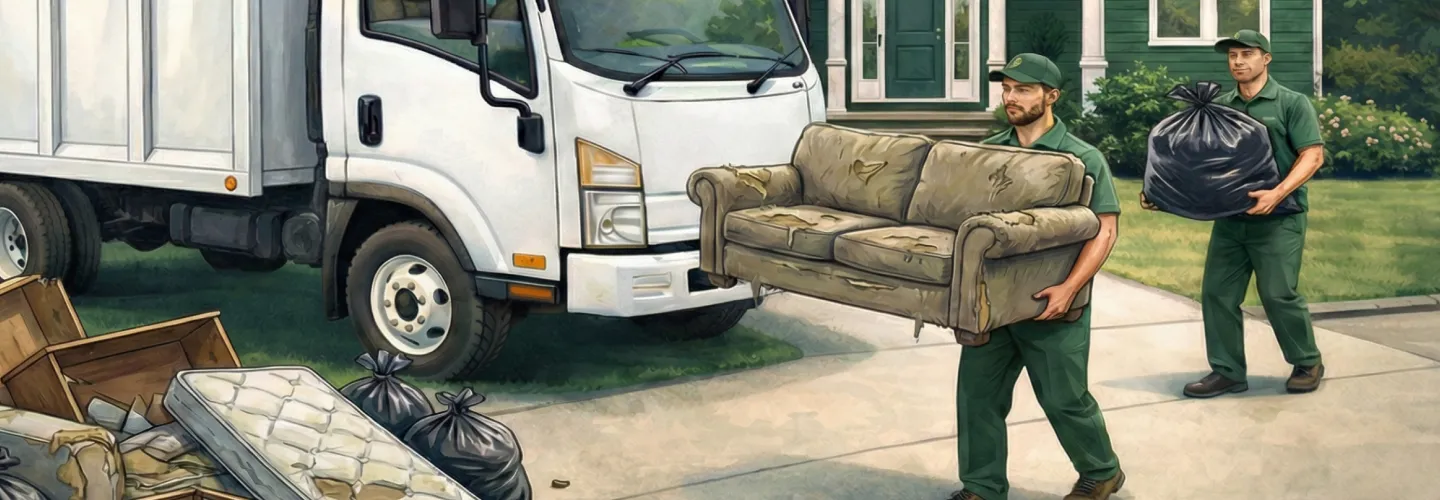
Atlanta Restaurants Junk Removal Services
Choose our Restaurants Junk Removal for prompt, professional service that keeps your dining space clean, compliant, and ready for business—so you can focus on serving your customers, not the clutter.
Get a Free QuoteOur Atlanta Junk Removal Services
Restaurants Junk Removal in Atlanta, GA – Local Service Guide
Restaurants in Atlanta, from Midtown to Buckhead, face unique junk removal challenges due to high customer turnover, frequent renovations, and strict local regulations. Whether clearing out old kitchen equipment, furniture, or construction debris, timely and efficient removal is crucial to maintain compliance and minimize business disruption. In busy areas like Downtown and Westside, access and scheduling can be complicated by traffic and limited loading zones, making professional coordination essential. Local disposal options include recycling, donation, and landfill, but restaurants must also consider city-specific rules for commercial waste and hazardous materials. Planning ahead for seasonal deep cleans or post-renovation clearouts helps avoid fines and keeps operations running smoothly. For guidance on local disposal regulations and permits, consult the Atlanta Department of Public Works.
Key Considerations for Restaurants Junk Removal in Atlanta
- Timing removals to avoid peak service hours and minimize disruption
- Securing necessary permits for large-scale disposals or dumpsters
- Using approved disposal channels for food waste, grease, and equipment
- Navigating tight access in busy commercial districts
- Managing high volumes during renovations or seasonal cleanouts
- Coordinating with property managers and city services for compliance
Benefits of Restaurants Junk Removal in Atlanta
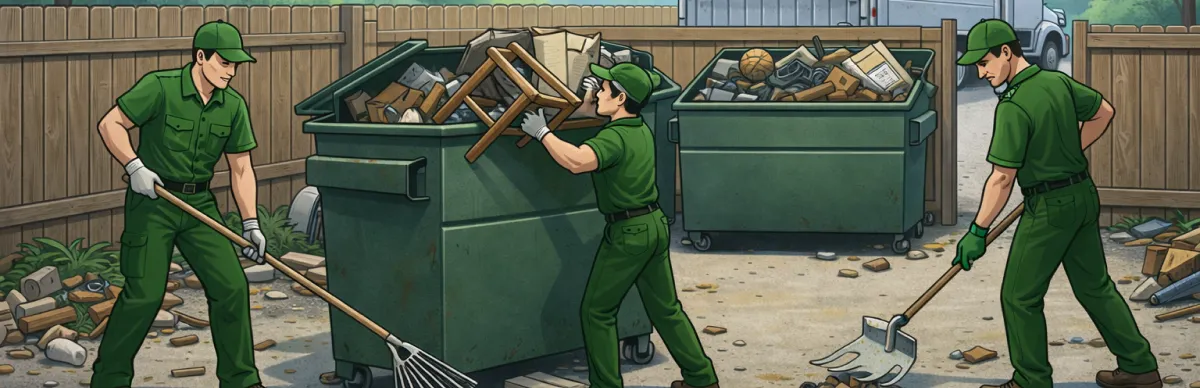
Fast and Reliable Service
Eco-Friendly Disposal Solutions
Flexible Scheduling Options
Licensed and Insured Team
Competitive Pricing for Restaurants
Comprehensive Junk Removal
Coordinating Restaurant Equipment and Debris Disposal with Atlanta's Department of Public Works
Restaurant junk removal in Atlanta requires careful coordination with municipal waste management services. The Atlanta Department of Public Works oversees commercial solid waste collection, right-of-way management, and sanitation enforcement throughout the city. Restaurant owners and operators undertaking cleanouts, renovations, or closures must comply with commercial waste hauling regulations distinct from residential disposal programs.
Key considerations for restaurant junk removal in Atlanta include:
- Commercial waste classification: Restaurant debris—including booths, counters, shelving, and kitchen fixtures—is classified as commercial solid waste and may not be placed in residential collection streams
- Hauler licensing: All commercial waste haulers operating within Atlanta city limits must maintain valid business licenses and appropriate insurance
- Right-of-way permits: Removal trucks parked on public streets during loading require coordination with the Department of Public Works for right-of-way access
- Scheduling restrictions: Atlanta's noise ordinance limits commercial loading and hauling activities in mixed-use and residential-adjacent zones, typically restricting operations to daytime hours
Atlanta Department of Public Works
55 Trinity Avenue SW, Suite 4700, Atlanta, GA 30303
Phone: (404) 330-6333
Official Website: Atlanta Department of Public Works
Atlanta Building Permits and Code Compliance for Restaurant Renovation Debris Removal
When restaurant junk removal involves structural demolition, fixture removal from walls or floors, or interior renovation, building permits and code enforcement coordination become essential. The Atlanta Office of Buildings and Zoning administers permits for commercial renovation and demolition projects, including interior demolition of restaurant spaces.
Restaurant owners and junk removal contractors should be aware of the following requirements:
- Demolition permits: Removal of built-in kitchen equipment, walk-in coolers, exhaust hoods, and structural fixtures typically requires a demolition or renovation permit from the city
- Pre-1978 buildings: Restaurants located in older commercial buildings may contain lead paint or asbestos-containing materials; the EPA Renovation, Repair, and Painting Rule mandates lead-safe work practices during disturbance of painted surfaces
- Inspection requirements: Post-removal inspections may be required to verify structural integrity and code compliance before a space is reoccupied
- Historic districts: Restaurants in Atlanta's designated historic districts must obtain additional approvals before exterior modifications or significant interior demolition
Atlanta Buildings & Zoning
55 Trinity Avenue SW, Suite 3800, Atlanta, GA 30303
Phone: (404) 330-6070
Official Website: Atlanta Buildings & Zoning
Georgia's Solid Waste Management Act and Restaurant Disposal Compliance
Restaurant junk removal in Atlanta must comply with state-level environmental regulations administered by the Georgia Environmental Protection Division (GA EPD). The Georgia Comprehensive Solid Waste Management Act (O.C.G.A. § 12-8-20 et seq.) establishes the regulatory framework for solid waste handling, transportation, and disposal across the state, including commercial waste generated by restaurant cleanouts and closures.
Critical state-level compliance requirements for restaurant junk removal include:
- Solid waste transportation: Haulers transporting restaurant debris to permitted disposal facilities must comply with GA EPD manifest and documentation requirements for commercial loads
- Prohibited materials: Hazardous substances commonly found in restaurants—including cleaning chemicals, refrigerants, fluorescent lighting ballasts, and used cooking oil—are prohibited from standard landfill disposal
- Refrigerant recovery: Commercial refrigeration units, walk-in coolers, and ice machines contain regulated refrigerants that must be recovered by EPA Section 608-certified technicians before disposal
- Grease trap waste: Accumulated fats, oils, and grease (FOG) from restaurant grease traps are classified as special waste and must be handled by licensed grease haulers, not general junk removal services
- Used cooking oil: Must be collected separately for recycling; improper disposal into storm drains violates both state and federal Clean Water Act provisions
Grease Trap Waste and Stormwater Protection During Atlanta Restaurant Cleanouts
Restaurant junk removal projects frequently involve the handling of fats, oils, grease, and other food-service byproducts that pose significant environmental risks if improperly managed. The Atlanta Department of Watershed Management enforces stormwater pollution prevention and grease management regulations that directly affect restaurant cleanout operations.
Proper handling protocols during restaurant junk removal include:
- Grease interceptor compliance: Atlanta requires food-service establishments to maintain grease interceptors; during cleanouts, residual grease must be pumped and removed by a licensed waste hauler before equipment disconnection
- Stormwater protection: Debris, wash water, and food waste must not enter storm drains during loading operations; containment measures such as berms or absorbent materials should be deployed at loading areas
- Used cooking oil recycling: Accumulated fryer oil must be collected in sealed containers and transported to licensed recycling facilities, not disposed of with general debris
- Chemical disposal: Commercial cleaning agents, degreasers, sanitizers, and pest control chemicals found during restaurant cleanouts are classified as hazardous waste and must be disposed of through Fulton County or DeKalb County household hazardous waste collection programs
Atlanta Department of Watershed Management
72 Marietta Street NW, Atlanta, GA 30303
Phone: (404) 546-3440
Official Website: Atlanta Department of Watershed Management
Recycling and Material Recovery Requirements for Atlanta Restaurant Equipment
Atlanta's commitment to waste diversion and environmental stewardship extends to commercial restaurant junk removal. Restaurant closures and renovations generate substantial volumes of recyclable and reusable materials that should be diverted from landfills whenever possible. The Georgia Environmental Protection Division encourages commercial waste generators to maximize recycling and material recovery.
Common restaurant materials and their proper recovery channels include:
- Stainless steel equipment: Commercial ovens, prep tables, sinks, and shelving units contain high-value scrap metal; licensed scrap metal recyclers throughout metro Atlanta accept these items
- Refrigeration units: After certified refrigerant recovery, commercial coolers and freezers can be recycled for metal content at permitted facilities
- Furniture and fixtures: Usable booths, tables, chairs, and décor items may be donated to restaurant supply resellers or nonprofit organizations such as Habitat for Humanity ReStore locations in metro Atlanta
- Electronics and POS systems: Point-of-sale terminals, monitors, and computer equipment are classified as e-waste; Georgia does not currently impose a statewide landfill ban on electronics, but responsible recycling through certified e-waste processors is strongly recommended
- Cardboard and packaging: Corrugated cardboard from equipment packaging must be separated and recycled per Atlanta's commercial recycling expectations
What Neighborhoods Do We Serve Throughout Atlanta, GA?
- Downtown Atlanta: Dense commercial corridors with high concentrations of restaurants in mixed-use buildings. Loading dock access varies significantly; many older buildings require street-level loading with right-of-way coordination. Tight alley access and metered parking zones necessitate advance scheduling.
- Midtown: A mix of high-rise restaurant spaces and street-level storefronts along Peachtree Street. Service elevator reservations and building management coordination are typically required for interior equipment removal in multi-story commercial buildings.
- Buckhead: Upscale dining establishments in both standalone buildings and large commercial complexes. Restaurant spaces in Buckhead often feature extensive built-in fixtures and high-end equipment requiring careful disassembly and specialized handling during removal.
- Old Fourth Ward: Rapidly developing neighborhood with adaptive-reuse restaurant spaces in historic and industrial buildings. Pre-1978 structures may require lead paint assessments, and narrow lot configurations can limit truck access.
- West Midtown / Westside: Former warehouse district now home to numerous restaurants and food halls. Large open floor plans facilitate equipment removal, but shared parking areas and loading zones require coordination with adjacent businesses.
- East Atlanta Village: Smaller independent restaurant spaces along flat commercial strips with generally accessible street parking. Older building stock may present narrow doorways and limited interior clearance for large equipment removal.
- Castleberry Hill: Historic district designation imposes additional review requirements for exterior work. Restaurant spaces in converted loft buildings may have freight elevator access but require advance approval from the Atlanta Inspections & Code Enforcement division for significant interior demolition.