
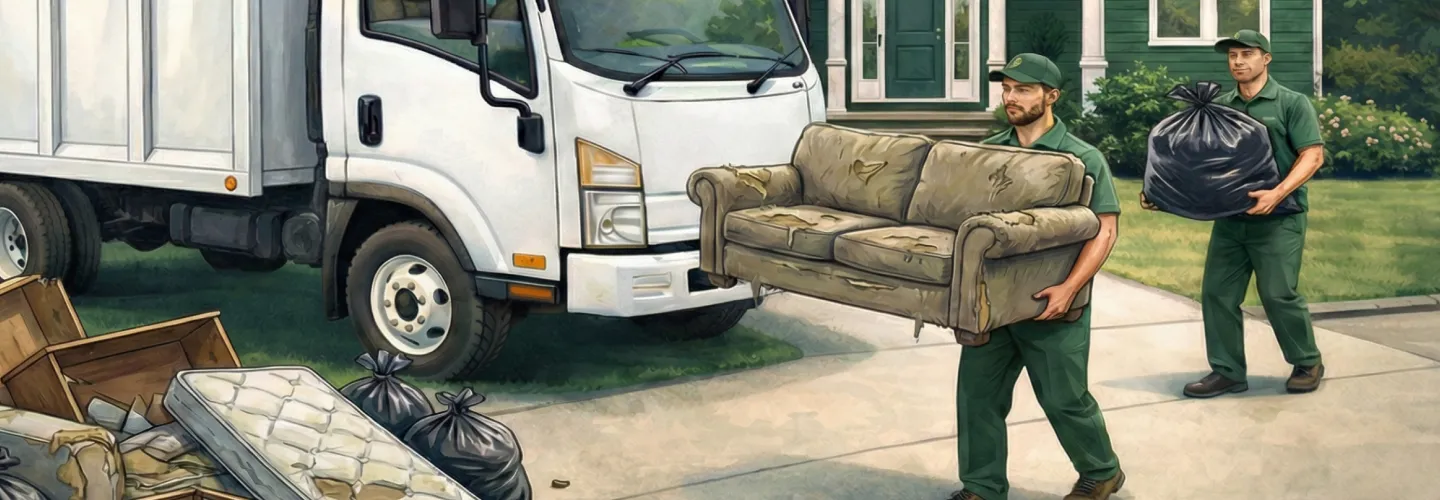
Atlanta Property Management Junk Removal Services
Choose our Property Management Junk Removal for fast, reliable, and hassle-free cleanouts that keep your properties looking their best and ready for new tenants.
Get a Free QuoteOur Atlanta Junk Removal Services
Property Management Junk Removal in Atlanta, GA – Local Service Guide
Property management junk removal in Atlanta, GA, requires a tailored approach to address the city’s diverse neighborhoods and property types. In areas like Buckhead and East Atlanta Village, residential items such as furniture, mattresses, and appliances are often removed during seasonal cleanouts, tenant turnovers, or after major life events. Local weather, including summer storms and humid conditions, can accelerate the need for yard waste and basement cleanouts, especially in flood-prone zones like Peachtree Hills. For residential spaces, garage and attic cleanouts are common in spring and fall, aligning with Atlanta’s yard waste pickup schedules and tree coverage challenges. Commercial properties in Midtown and Downtown Atlanta face unique demands, from discreet office cleanouts to high-volume restaurant and retail debris removal, often requiring after-hours service and strict coordination. Specialty services, such as dumpster rentals for construction or estate cleanouts in historic neighborhoods, demand careful planning, permit checks, and compliance with city disposal regulations.
Benefits of Property Management Junk Removal in Atlanta
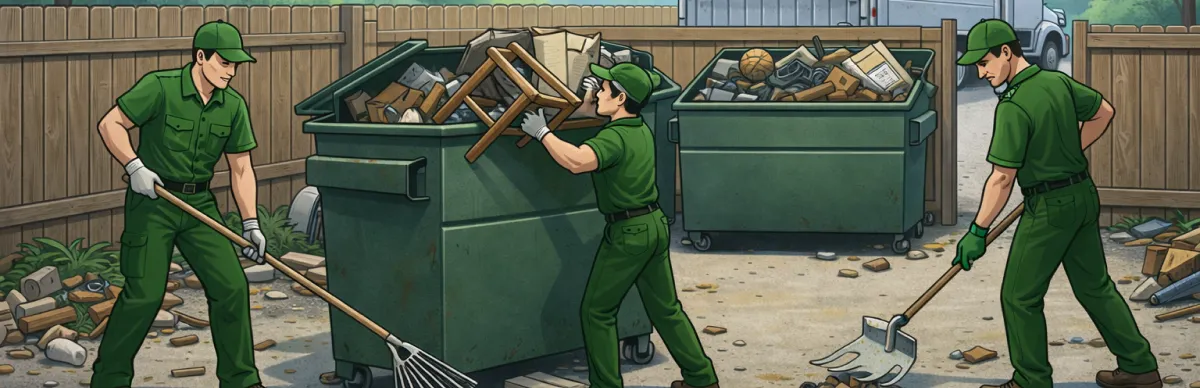
Fast Turnaround Times
Reliable Scheduling
Comprehensive Cleanouts
Eco-Friendly Disposal
Licensed and Insured Team
Flexible Service Options
Coordinating Property Management Junk Removal with Atlanta's Department of Public Works
Property managers in Atlanta must coordinate bulk waste removal through the city's solid waste services administered by the Atlanta Department of Public Works. Atlanta provides weekly residential trash collection and periodic bulk item pickup, but property management operations involving large-scale tenant turnover cleanouts or renovation debris often exceed standard residential service limits. Property managers should be aware of the following requirements:
- Bulk item pickup must be scheduled in advance by contacting the Department of Public Works directly
- Commercial properties generating waste beyond residential thresholds must contract with licensed private haulers authorized to operate within city limits
- Illegal dumping of junk or debris on public rights-of-way, vacant lots, or alleyways is subject to code enforcement action and fines
- Yard waste and debris must be separated from general refuse and placed in designated containers or bundles
- Items containing hazardous materials such as paint, solvents, or batteries are prohibited from regular collection streams
Atlanta Department of Public Works
55 Trinity Avenue SW, Suite 4700, Atlanta, GA 30303
Phone: (404) 330-6333
Official Website: Atlanta Department of Public Works
Property managers should confirm collection schedules and service boundaries, as Atlanta's sanitation routes vary by neighborhood and zone assignment.
Atlanta Code Enforcement and Property Maintenance Standards for Junk Removal
Property managers who allow junk, debris, or abandoned items to accumulate on managed properties risk violations from Atlanta Inspections & Code Enforcement. The City of Atlanta enforces property maintenance codes that require landlords and property managers to keep premises free of refuse, discarded furniture, appliances, and other materials that create health or safety hazards. Key compliance considerations include:
- Exterior property areas must remain free of accumulated junk, broken furniture, and discarded appliances visible from public rights-of-way
- Vacant units undergoing tenant turnover must be cleared of all abandoned personal property in accordance with Georgia landlord-tenant law before re-leasing
- Construction or renovation debris from unit upgrades requires proper containment and timely removal to avoid nuisance complaints
- Repeated violations may result in escalating fines, mandatory abatement orders, or liens placed against the property
- Building permits are required for renovation projects generating structural debris; contact Atlanta Buildings & Zoning for permit applications
Atlanta Inspections & Code Enforcement
55 Trinity Avenue SW, Suite 3350, Atlanta, GA 30303
Phone: (404) 330-6190
Official Website: Atlanta Inspections & Code Enforcement
Property managers should conduct regular inspections of common areas, parking lots, and vacant units to maintain compliance and avoid enforcement actions.
Georgia Solid Waste Management Act Compliance for Atlanta Property Managers
Property management junk removal operations in Atlanta must comply with the Georgia Comprehensive Solid Waste Management Act (O.C.G.A. § 12-8-20) administered by the Georgia Environmental Protection Division. This state law establishes the regulatory framework governing solid waste handling, transportation, and disposal throughout Georgia. Property managers should understand the following requirements:
- Solid waste transporters hauling junk from managed properties must hold valid permits issued by the Georgia EPD if transporting waste to permitted disposal facilities
- Appliances containing refrigerants (refrigerators, air conditioning units, freezers) require certified refrigerant recovery per EPA Section 608 regulations before disposal
- Electronics and e-waste should be directed to certified recycling facilities; while Georgia does not currently enforce a statewide e-waste landfill ban, responsible disposal through recycling programs is strongly encouraged
- Lead paint and asbestos in pre-1978 buildings require assessment before renovation debris removal under the EPA Renovation, Repair, and Painting Rule
- Tires, batteries, and used oil are prohibited from standard landfill disposal and must be handled through designated collection programs
Georgia Environmental Protection Division
2 Martin Luther King Jr. Drive SE, Suite 1456 East, Atlanta, GA 30334
Phone: (404) 656-4713
Official Website: Georgia Environmental Protection Division
Property managers should verify that any junk removal contractor they engage maintains proper state permits and disposes of materials at Georgia EPD-permitted facilities.
Recycling and Donation Diversion Strategies for Atlanta Property Management Cleanouts
Atlanta property managers conducting tenant turnover cleanouts, estate clearances, or renovation projects should prioritize recycling and donation to divert reusable materials from landfills. The City of Atlanta supports waste diversion through several programs and partnerships. Property managers should consider the following options:
- Furniture and household goods in usable condition can be donated to organizations such as Habitat for Humanity ReStore, which accepts furniture, appliances, and building materials for resale
- Scrap metal including old fixtures, pipes, and appliance frames can be directed to licensed scrap metal recyclers operating throughout the Atlanta metropolitan area
- Mattresses and box springs should be separated from general waste; while Georgia does not have a mandatory mattress EPR program, several private recyclers in the metro area accept mattresses for component recovery
- Cardboard, paper, and packaging materials from move-outs should be placed in recycling containers per Atlanta's curbside recycling program guidelines
- Appliances in working condition may qualify for donation; non-functional units require refrigerant recovery before recycling or disposal
The Atlanta Department of Watershed Management also oversees stormwater compliance, and property managers must ensure that junk removal activities do not result in debris entering storm drains or waterways. Proper staging and containment of materials during removal is essential to avoid stormwater pollution violations.
Navigating Multi-Unit Building Access and Safety for Atlanta Junk Removal Projects
Property management junk removal in Atlanta frequently involves multi-story apartment complexes, condominiums, and mixed-use buildings that present unique logistical and safety challenges. Proper planning is essential to protect workers, tenants, and building infrastructure during removal operations. Key considerations include:
- Service elevator reservations should be coordinated with building management at least 24–48 hours in advance; a certificate of insurance (COI) may be required before access is granted
- Stairwell navigation in older Atlanta buildings without elevators requires assessment of doorway widths (standard minimum 36 inches) and turning clearances for large items such as couches, mattresses, and appliances
- OSHA safety standards apply to all junk removal workers, including requirements for proper lifting techniques, personal protective equipment, and hazard communication for materials such as mold-affected items or chemical residues
- Property protection measures including floor runners, door frame padding, and wall corner guards should be used to prevent damage during item removal
- Parking and loading zones near building entrances may require coordination with property management or, in some cases, temporary permits from the city for street-side loading
The Atlanta Fire Rescue Department enforces fire code requirements that prohibit blocking hallways, stairwells, and fire exits with staged junk or debris during removal operations. Property managers must ensure that removal crews maintain clear egress paths at all times.
What Neighborhoods Do We Serve Throughout Atlanta, GA?
- Midtown: High-rise condominiums and mixed-use buildings dominate this dense urban corridor. Property managers frequently coordinate tenant turnover cleanouts requiring service elevator scheduling and loading dock access for large-volume removals.
- Buckhead: Upscale residential properties and luxury apartment complexes generate significant volumes of furniture and appliance disposal during unit renovations. HOA regulations may impose specific scheduling windows and debris staging restrictions.
- Old Fourth Ward: A mix of historic homes and newer loft-style developments presents varied access challenges. Pre-1978 structures may require lead paint assessment before renovation debris removal.
- West End: Single-family rental properties and smaller multi-family buildings are common. Narrow residential streets may limit truck access, requiring advance route planning for large-scale cleanouts.
- East Atlanta: Bungalow-style rental homes with limited driveway space require curbside staging coordination. Code enforcement is active regarding exterior property maintenance and visible debris accumulation.
- Grant Park: Historic district designation imposes additional review requirements for renovation projects generating construction debris. Property managers must coordinate with the city's historic preservation guidelines when planning exterior work.