
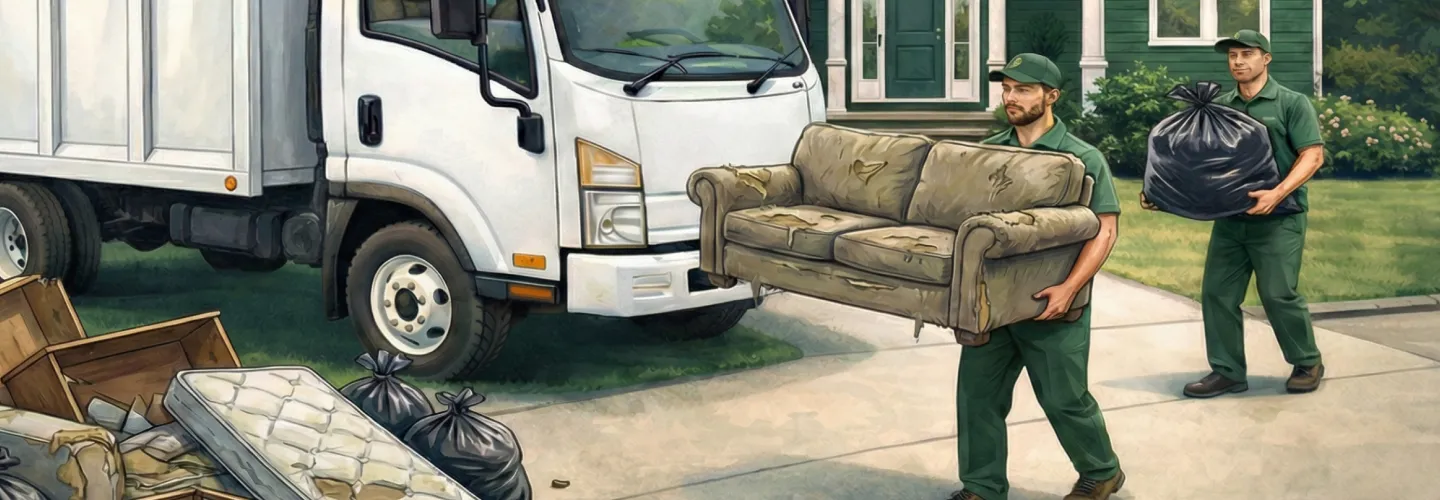
Atlanta Storage Unit Cleanout Services
Choose our Storage Unit Cleanout for fast, reliable, and hassle-free service—our experienced team handles everything from sorting to disposal, so you can enjoy a clutter-free storage unit without lifting a finger.
Get a Free QuoteOur Atlanta Junk Removal Services
Storage Unit Cleanout in Atlanta, GA – Local Service Guide
Storage unit cleanouts in Atlanta, GA, are often prompted by life transitions, seasonal changes, or the need to reclaim valuable space. In neighborhoods like Buckhead and West End, residents frequently clear out storage units after home renovations, relocations, or estate transitions. For residential items such as furniture, mattresses, and appliances, cleanouts often coincide with spring cleaning or after major purchases. Local donation centers and recycling facilities in Atlanta provide eco-friendly disposal options, while weather and access—especially during humid summers or rainy seasons—can impact logistics. For residential spaces like garages and basements, cleanouts are common after storms or during yard waste cycles, particularly in flood-prone areas like Peachtree Hills. Commercial clients in Midtown and Downtown Atlanta, including offices and restaurants, require discreet, timely cleanouts to minimize business disruption. Specialty services, such as foreclosure or estate cleanouts, demand careful planning and coordination, especially when handling sensitive or hazardous materials. For guidance on local disposal rules and permits, consult the Atlanta Department of Public Works.
Key Considerations for Storage Unit Cleanout in Atlanta
- Timing: Plan around Atlanta’s peak moving and storm seasons
- Permits: Check local requirements for large-scale disposals
- Disposal Channels: Use donation, recycling, or city-approved waste sites
- Access: Consider unit location, building access, and weather
- Volume: Estimate load size for efficient removal
- Coordination: Schedule with property managers or facility staff
Benefits of Storage Unit Cleanout in Atlanta

Fast and Efficient Cleanouts
Affordable Pricing Options
Eco-Friendly Disposal Solutions
Experienced Cleanout Professionals
Flexible Scheduling
Stress-Free Service Experience
Coordinating Storage Unit Cleanout Disposal with Atlanta's Department of Public Works
Storage unit cleanouts in Atlanta generate diverse waste streams that must be managed in accordance with municipal solid waste regulations. The Atlanta Department of Public Works oversees sanitation services, including bulk item collection and proper disposal coordination for residential and commercial waste. When clearing a storage unit, occupants should be aware of the following disposal requirements:
- Bulk item pickup must be scheduled in advance through the Department of Public Works; items cannot be left at curbside without prior arrangement
- Prohibited materials such as hazardous chemicals, paint, automotive fluids, and pressurized containers are not accepted through standard sanitation collection
- Electronics and appliances require separate handling and may not be placed with general refuse
- Sorting obligations apply to mixed loads containing recyclable metals, cardboard, and reusable goods
Failure to comply with Atlanta's waste placement and scheduling requirements may result in code enforcement action. Residents should confirm collection eligibility before transporting items from a storage facility to a curbside location.
Atlanta Department of Public Works
55 Trinity Avenue SW, Atlanta, GA 30303
Phone: (404) 330-6333
Official Website: Atlanta Department of Public Works
Georgia's Solid Waste Management Act and Storage Unit Material Compliance
All waste generated from storage unit cleanouts in Atlanta falls under the regulatory framework of the Georgia Comprehensive Solid Waste Management Act (O.C.G.A. § 12-8-20) administered by the Georgia Environmental Protection Division (GA EPD). This legislation establishes standards for waste handling, transportation, and disposal that apply to both individuals and commercial haulers removing items from storage facilities. Key compliance considerations include:
- Solid waste transportation requires that materials be covered and secured during transit to prevent roadway littering, which carries fines under Georgia law
- Landfill disposal of lead-acid batteries, used motor oil, and antifreeze is prohibited statewide; these items require drop-off at designated collection facilities
- Tire disposal is regulated separately, with fees assessed per tire at permitted disposal facilities
- Appliances containing refrigerants (refrigerators, air conditioners, dehumidifiers) must have refrigerant recovered by an EPA Section 608-certified technician before disposal
Storage units frequently contain forgotten hazardous materials. Atlanta residents should inventory all items before beginning a cleanout to identify materials requiring special handling under Georgia regulations.
Recycling and Donation Requirements for Items Found in Atlanta Storage Units
Atlanta's waste diversion goals encourage recycling and donation of reusable materials recovered during storage unit cleanouts. Many items commonly stored—furniture, clothing, household goods, and electronics—can be redirected from landfills through established local programs. Residents and haulers should consider the following options before disposing of cleanout materials:
- Furniture and household goods in usable condition may be donated to local nonprofit organizations such as Habitat for Humanity ReStore or Goodwill, which accept drop-offs during regular business hours
- Electronics and e-waste including computers, televisions, and peripherals should be taken to certified e-waste recyclers; Georgia does not currently have a statewide e-waste landfill ban, but responsible recycling is strongly encouraged by the GA EPD
- Scrap metal including shelving units, bed frames, and appliance components can be separated and taken to licensed scrap metal facilities for material recovery
- Cardboard and paper should be broken down and placed in recycling containers rather than mixed with general waste
Proper sorting at the point of cleanout significantly increases diversion rates and reduces disposal costs at permitted landfill facilities.
Hazardous Material Identification and Safe Handling During Atlanta Storage Cleanouts
Storage units may contain hazardous materials that were placed in storage years or even decades ago, presenting safety and regulatory challenges during cleanout. Atlanta residents must identify and properly handle these materials in compliance with federal and state environmental regulations, including the Resource Conservation and Recovery Act (RCRA). Common hazardous items found in storage units include:
- Paints, stains, and solvents that cannot be disposed of through regular trash collection or poured into storm drains
- Pesticides, herbicides, and pool chemicals requiring drop-off at household hazardous waste collection events
- Propane tanks and aerosol cans that pose explosion risks if compacted or landfilled
- Batteries including lithium-ion, nickel-cadmium, and lead-acid types, each with specific disposal requirements
The Atlanta Department of Watershed Management enforces stormwater pollution prevention regulations that prohibit improper disposal of chemicals that could enter the municipal storm drain system. Fulton County and DeKalb County periodically host household hazardous waste collection events where Atlanta residents can drop off these materials at no charge.
Atlanta Department of Watershed Management
72 Marietta Street NW, Atlanta, GA 30303
Phone: (404) 546-3440
Official Website: Atlanta Department of Watershed Management
Atlanta Code Enforcement and Property Access Considerations for Storage Facility Cleanouts
Storage unit cleanouts in Atlanta must comply with local code enforcement standards, particularly regarding debris placement, vehicle access, and property maintenance during the removal process. The Atlanta Inspections & Code Enforcement division monitors compliance with property maintenance and waste handling ordinances. Important regulatory considerations include:
- Debris staging on public sidewalks, rights-of-way, or adjacent properties without authorization may result in code violations and fines
- Commercial haulers operating in Atlanta must maintain proper business licensing and insurance; verify credentials before hiring any removal service
- Loading and unloading at storage facilities must comply with facility-specific rules regarding operating hours, vehicle size restrictions, and access lane clearance
- Noise ordinances in Atlanta restrict loud loading activities during nighttime hours; confirm permitted operating times with the facility and local regulations
- Fire code compliance requires that hallways, access corridors, and fire exits within storage facilities remain unobstructed during the cleanout process
Coordination with the storage facility manager is essential to ensure gate access, elevator availability for multi-story units, and compliance with the facility's lease terms regarding unit condition upon vacating.
Atlanta Inspections & Code Enforcement
55 Trinity Avenue SW, Suite 3900, Atlanta, GA 30303
Phone: (404) 330-6190
Official Website: Atlanta Inspections & Code Enforcement
What Neighborhoods Do We Serve Throughout Atlanta, GA?
- Midtown: High-density residential and commercial area with numerous self-storage facilities near major corridors. Multi-story storage buildings may require elevator coordination, and street parking for loading vehicles is limited during business hours.
- Buckhead: Upscale residential neighborhood with storage facilities serving residents in condominiums and single-family homes. Cleanouts frequently involve furniture, décor, and seasonal items; HOA regulations may govern debris transport through common areas.
- East Atlanta: Older residential area with a mix of single-family homes and small commercial properties. Narrow side streets near storage facilities may limit truck access, requiring advance route planning for larger removal vehicles.
- West End: Historic neighborhood with aging infrastructure and limited street width in some blocks. Pre-1978 building materials found in storage units may require lead-safe handling practices under the EPA Renovation, Repair, and Painting Rule.
- Old Fourth Ward: Rapidly developing area with both legacy and modern storage facilities. Mixed-use zoning creates variable access conditions, and loading zone availability should be confirmed in advance.
- College Park: Southern Atlanta neighborhood near Hartsfield-Jackson International Airport with accessible storage facilities along major roadways. Wide commercial corridors generally accommodate standard removal vehicles without access restrictions.
- Decatur (adjacent): While technically a separate city, many Atlanta residents utilize storage facilities along the Decatur border. DeKalb County waste regulations may apply depending on the facility's jurisdiction, requiring verification of applicable disposal rules.