
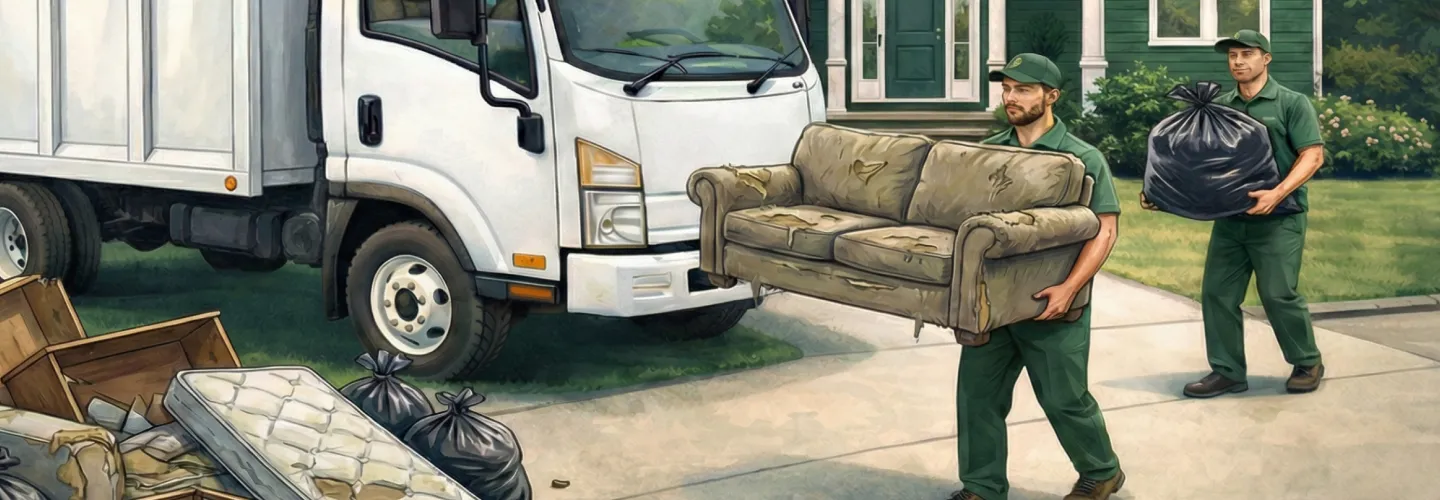
Atlanta Regular Trash Pickup Services
Choose our Regular Trash Pickup for dependable, hassle-free service that keeps your home and neighborhood clean—enjoy peace of mind knowing your waste is managed by trusted local professionals.
Get a Free QuoteOur Atlanta Junk Removal Services
Regular Trash Pickup in Atlanta, GA – Local Service Guide
Regular trash pickup in Atlanta is essential for maintaining clean, healthy neighborhoods from Buckhead to East Atlanta Village. For residential items like furniture, mattresses, and appliances, pickups often spike during spring cleanouts, home renovations, or after major life events. In areas like Grant Park, residents may need to coordinate with city schedules for large item disposal, considering weather and access for curbside collection. Many items can be donated or recycled, but some—like hot tubs or scrap metal—require special handling.
For residential spaces, seasonal drivers such as yard waste from fall leaf drops or post-storm debris in flood-prone zones like Peachtree Hills increase demand. Frequency varies by property type and local schedules, with some neighborhoods offering weekly or biweekly pickups. Commercial clients in Midtown or the West End face unique needs: restaurants and offices generate high volumes and may require discreet, after-hours service. Specialty pickups—such as for construction debris or estate cleanouts—demand advance planning and coordination, especially for large properties or during major renovations.
Benefits of Regular Trash Pickup in Atlanta
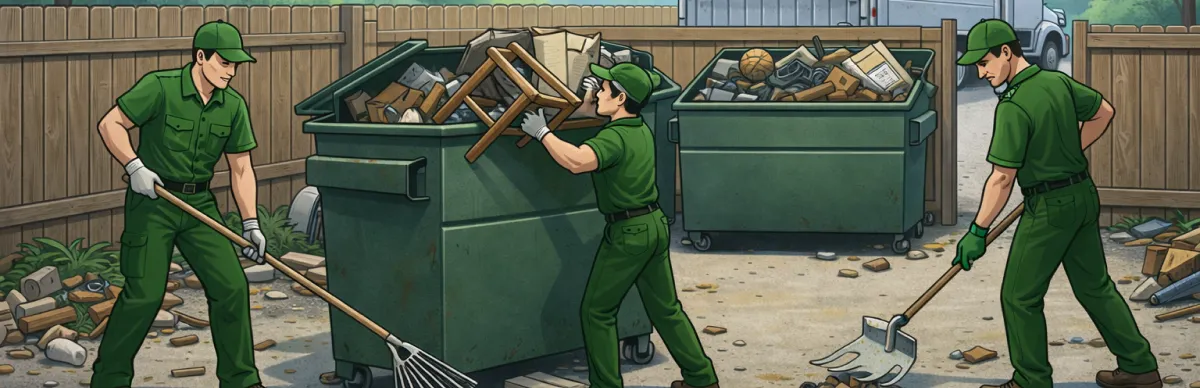
Consistent Waste Removal
Improved Neighborhood Cleanliness
Flexible Pickup Scheduling
Environmentally Friendly Disposal
Reliable Local Service
Enhanced Property Value
Coordinating Weekly Trash Collection with Atlanta's Department of Public Works
Atlanta's regular trash pickup program operates on a weekly schedule managed by the Atlanta Department of Public Works. Residents must place carts curbside by 7:00 AM on their designated collection day, with carts retrieved by midnight the same day. Understanding and following these municipal guidelines ensures efficient waste removal and helps avoid code enforcement actions.
- Cart placement: Position carts at the curb with lids closed and handles facing the residence, at least three feet from mailboxes, vehicles, and other obstructions
- Collection frequency: One pickup per week for household garbage on an assigned weekday
- Cart sizes: The city provides 95-gallon rolling carts for residential solid waste; additional or replacement carts may be requested through Public Works
- Excess waste: Items that do not fit inside the cart with the lid fully closed may not be collected during regular pickup
- Missed collections: Residents should report missed pickups within 24 hours by contacting the city's service request line
Atlanta Department of Public Works
55 Trinity Avenue SW, Suite 4700, Atlanta, GA 30303
Phone: (404) 330-6333
Official Website: Atlanta Department of Public Works
Atlanta's Prohibited Materials and Accepted Items for Curbside Trash Collection
Not all waste qualifies for regular curbside pickup in Atlanta. Residents must separate prohibited materials from standard household trash to comply with local ordinances and Georgia environmental regulations enforced by the Georgia Environmental Protection Division. Placing banned items in residential carts can result in refused collection and potential code violations.
- Accepted items: Bagged household garbage, non-recyclable packaging, food waste, and small household items that fit inside the cart with the lid closed
- Prohibited from carts: Hazardous waste including paint, motor oil, pesticides, and solvents; automotive batteries; medical sharps and biohazardous materials; propane tanks and pressurized cylinders
- Appliances with refrigerants: Units containing Freon—such as refrigerators, freezers, and air conditioners—require certified refrigerant recovery per EPA Section 608 regulations before disposal and are not accepted in regular trash
- Electronics: Computers, televisions, and monitors should be directed to designated e-waste recycling drop-off events rather than placed in curbside carts
- Yard waste: Leaves, branches, and grass clippings must be separated from household trash and placed in designated yard waste containers or bags for separate collection
Georgia Solid Waste Management Act Compliance for Atlanta Residents
Georgia's Solid Waste Management Act (O.C.G.A. § 12-8-20 et seq.) establishes the regulatory framework governing how municipalities like Atlanta manage residential waste streams. The Act requires local governments to maintain comprehensive solid waste management plans, enforce proper disposal practices, and pursue waste reduction goals. Atlanta residents participating in regular trash pickup share responsibility for compliance with these state-level mandates.
- Local solid waste plan: Atlanta maintains a state-approved solid waste management plan that outlines collection methods, disposal facilities, and recycling targets
- Illegal dumping penalties: Georgia law imposes fines and potential criminal charges for improper disposal of solid waste outside authorized collection systems
- Waste reduction goals: The state encourages municipalities to reduce per capita waste generation through recycling, composting, and source reduction programs
- Hauler requirements: All entities collecting solid waste within Atlanta must hold appropriate permits and comply with GA EPD regulations regarding transport and disposal at permitted facilities
Georgia Environmental Protection Division
2 Martin Luther King Jr. Drive SE, Suite 1456 East, Atlanta, GA 30334
Phone: (404) 656-4713
Official Website: Georgia Environmental Protection Division
Atlanta Code Enforcement Standards for Proper Trash Cart Storage and Placement
The City of Atlanta enforces property maintenance and sanitation codes that directly affect how residents store and present trash carts for regular pickup. Atlanta Inspections & Code Enforcement monitors compliance and may issue citations for violations that create health hazards or neighborhood blight.
- Cart storage: Between collection days, carts must be stored behind the front building line—typically in a side yard, rear yard, or garage—and not visible from the street in many residential zoning districts
- Placement timing: Carts should not be placed curbside earlier than 6:00 PM the evening before the scheduled collection day
- Loose debris: Scattering trash on sidewalks, streets, or neighboring properties constitutes a code violation subject to fines
- Overflowing carts: Consistently overflowing carts may trigger a code enforcement review; residents generating excess waste should request an additional cart through Public Works
- Bulk items: Large items such as furniture or appliances must not be placed alongside regular trash carts without scheduling a separate bulk pickup through the city
Atlanta Inspections & Code Enforcement
55 Trinity Avenue SW, Suite 3350, Atlanta, GA 30303
Phone: (404) 330-6190
Official Website: Atlanta Inspections & Code Enforcement
Recycling Separation Requirements Alongside Regular Trash Pickup in Atlanta
Atlanta operates a single-stream recycling program that runs parallel to regular trash collection. Residents receive a separate recycling cart and must ensure recyclable materials are diverted from the trash cart to support the city's landfill diversion objectives. Proper sorting prevents contamination of recyclable loads and reduces processing costs at materials recovery facilities.
- Accepted recyclables: Paper, cardboard, aluminum and steel cans, glass bottles and jars, and plastics labeled #1 through #7
- Contamination prevention: Food-soiled paper, plastic bags, Styrofoam, and tanglers such as garden hoses or wires must remain in the trash cart—not the recycling cart
- Recycling schedule: Recycling carts are collected on the same day as trash in most Atlanta service areas, simplifying compliance for residents
- Flattened cardboard: Large boxes should be broken down and placed inside the recycling cart or cut to fit beside it
- Hazardous waste alternatives: Items like batteries, fluorescent bulbs, and household chemicals require drop-off at designated Fulton County Household Hazardous Waste collection events rather than placement in either cart
Atlanta Department of Watershed Management
72 Marietta Street NW, Atlanta, GA 30303
Phone: (404) 546-0311
Official Website: Atlanta Department of Watershed Management
Stormwater runoff carrying improperly disposed waste can affect Atlanta's waterways. The Department of Watershed Management oversees pollution prevention programs that intersect with proper residential waste handling practices.
What Neighborhoods Do We Serve Throughout Atlanta, GA?
- Midtown: Dense mix of high-rise condominiums and older apartment buildings where cart placement is often limited to designated staging areas managed by building staff. Residents should confirm collection day and cart location with property management to avoid missed pickups.
- Grant Park: Historic single-family homes with narrow lot frontages and on-street parking that can obstruct cart placement. Residents must ensure carts are positioned clear of parked vehicles and not blocking sidewalk access on collection day.
- Buckhead: Large residential lots and gated communities where private hauler contracts may supplement or replace city collection. Homeowners should verify whether their HOA manages trash service independently or relies on Atlanta's municipal program.
- Old Fourth Ward: A transitioning neighborhood with a mix of renovated bungalows and new multi-family developments. Construction activity can temporarily disrupt collection routes; residents should monitor city notifications for schedule changes.
- West End: Established residential streets with mature tree canopy that may limit truck access during storm debris events. Yard waste separation is especially important here to keep regular trash carts compliant.
- East Atlanta: Single-family homes and small commercial corridors where residential and business waste streams must remain separate. Home-based businesses generating commercial-volume waste are required to arrange separate commercial hauling services.