
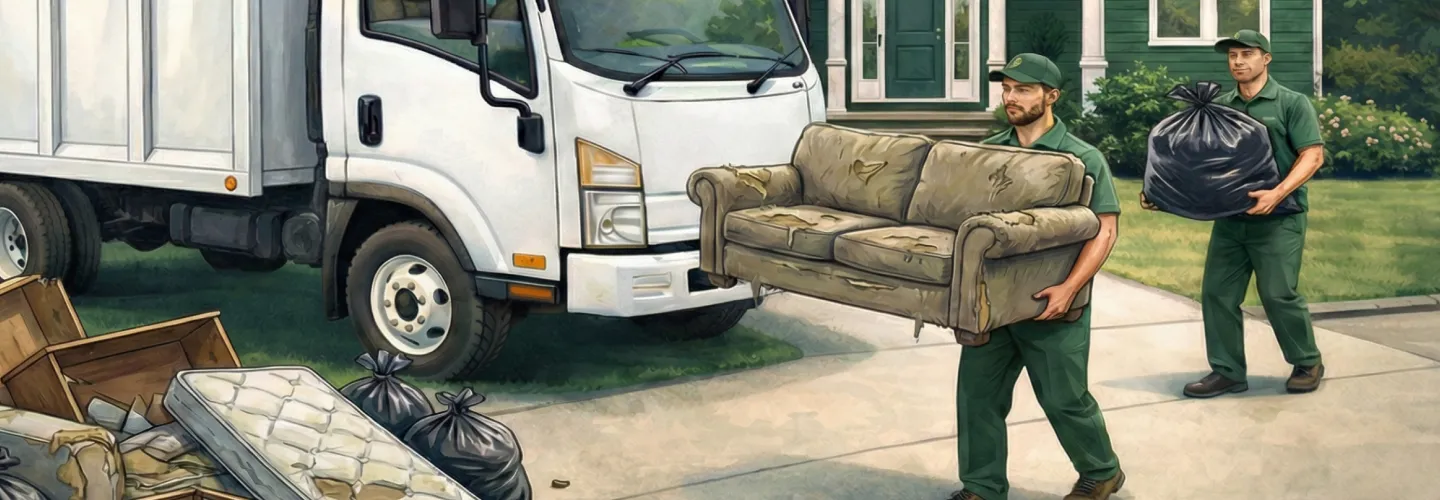
Atlanta Construction Debris Removal Services
Choose our Construction Debris Removal for fast, reliable service that keeps your site safe, compliant, and clutter-free—so you can focus on building, not cleaning up.
Get a Free QuoteOur Atlanta Junk Removal Services
Construction Debris Removal in Atlanta, GA – Local Service Guide
Construction debris removal in Atlanta is essential for keeping properties safe, compliant, and ready for their next phase. In neighborhoods like Buckhead and Kirkwood, residential projects often generate debris from kitchen remodels, roof replacements, or seasonal upgrades. Homeowners may need removal after storms or during spring cleanouts, especially in areas with mature trees or older homes. For residential items such as appliances or sheds, local options include donation, recycling, or city-approved disposal, with logistics shaped by driveway access and weather. Commercial sites in Midtown or along Peachtree Street face strict timelines and higher volumes, requiring discreet, scheduled pickups to minimize business disruption. Specialty services—like dumpster rentals or estate cleanouts—are vital for large-scale renovations or foreclosures, demanding careful planning and coordination with city guidelines. Atlanta’s humid summers and rainy seasons can impact scheduling and site access, making local expertise crucial.
Benefits of Construction Debris Removal in Atlanta
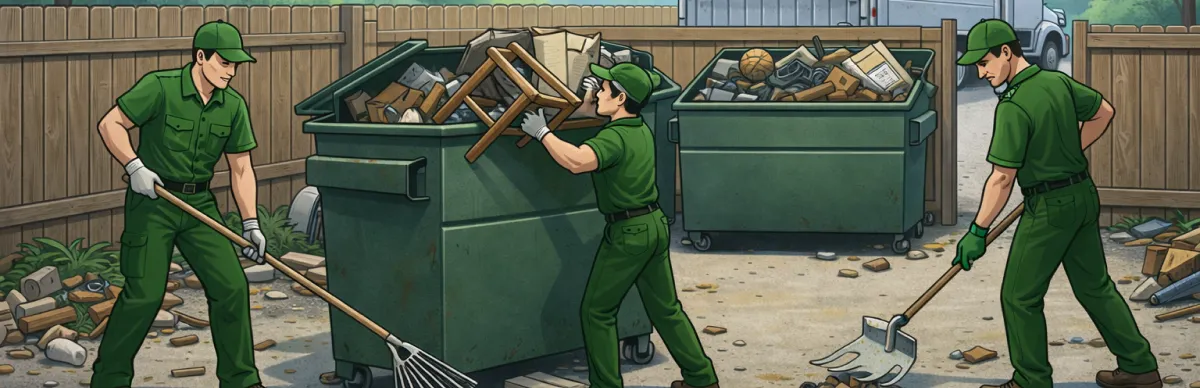
Fast and Reliable Cleanup
Compliance With Local Regulations
Improved Site Safety
Eco-Friendly Disposal Solutions
Cost-Effective Waste Management
Flexible Scheduling Options
Coordinating Construction Debris Removal with Atlanta’s Department of Public Works
Construction debris removal in Atlanta is regulated by the Department of Public Works, which oversees solid waste management for both residential and commercial projects. All construction and demolition (C&D) waste must be disposed of at approved facilities, and self-hauling requires a valid permit. Key requirements include:
- Scheduling debris drop-off at city-approved transfer stations during operating hours (typically Monday–Saturday, 7:00 AM–5:00 PM)
- Paying disposal fees based on weight or volume (fees may vary; check with the facility before arrival)
- Prohibiting illegal dumping or curbside placement of construction debris outside of designated bulk collection days
- Ensuring all loads are properly secured during transport to prevent littering
- Following city guidelines for separating recyclable materials from general waste
Atlanta Department of Public Works
55 Trinity Avenue SW, Atlanta, GA 30303
Phone: (404) 330-6240
Official Website: Atlanta Department of Public Works
Atlanta’s Code Enforcement and Permit Requirements for Construction Debris Disposal
Proper removal of construction debris in Atlanta often requires coordination with the city’s Inspections & Code Enforcement division. Permits are mandatory for most demolition and renovation projects, and failure to comply can result in fines. Important considerations include:
- Obtaining a building or demolition permit before starting any project generating C&D waste
- Adhering to right-of-way regulations for debris removal vehicles and temporary staging
- Scheduling inspections to verify compliance with city codes
- Avoiding placement of debris in alleys, sidewalks, or public rights-of-way without authorization
- Coordinating with code enforcement for projects in historic districts or under HOA restrictions
Atlanta Inspections & Code Enforcement
55 Trinity Avenue SW, Atlanta, GA 30303
Phone: (404) 330-6190
Official Website: Atlanta Inspections & Code Enforcement
Environmental Compliance: Georgia Solid Waste Laws and Atlanta Recycling Mandates
Construction debris in Atlanta is subject to both city and state environmental regulations. The Georgia Environmental Protection Division (GA EPD) enforces the state’s solid waste management act, which mandates responsible disposal and recycling of C&D materials. Key compliance points include:
- Separating recyclable materials (such as metal, concrete, and clean wood) from landfill waste
- Prohibiting disposal of hazardous materials (e.g., asbestos, lead paint, solvents) in regular waste streams
- Using only licensed haulers and approved disposal sites
- Maintaining documentation of waste disposal and recycling for inspection
- Participating in city or state recycling initiatives to meet landfill diversion goals
For more information, consult the Georgia Environmental Protection Division and Atlanta’s Department of Public Works.
Safe Handling and Professional Standards for Construction Debris Removal in Atlanta
Safety is paramount when handling construction debris in Atlanta, especially in older buildings where hazardous materials may be present. The city and state require adherence to OSHA standards and specific protocols for certain materials. Essential safety practices include:
- Conducting lead and asbestos surveys for pre-1980 structures before removal
- Using personal protective equipment (PPE) and proper lifting techniques
- Ensuring only trained personnel handle hazardous or regulated materials
- Following EPA guidelines for lead-safe work practices (EPA Lead-Safe Renovation Rule)
- Coordinating with the Atlanta Fire Rescue Department for large-scale demolition safety
Atlanta Fire Rescue Department
226 Peachtree St SW, Atlanta, GA 30303
Phone: (404) 546-7000
Official Website: Atlanta Fire Rescue Department
What Neighborhoods Do We Serve Throughout Atlanta, GA?
- Buckhead: Features a mix of high-rise commercial buildings and older homes. Debris removal often requires coordination with building management for elevator access and compliance with strict HOA and city regulations.
- Midtown: Dense urban environment with limited street parking and frequent construction activity. Projects may need right-of-way permits and careful scheduling to avoid traffic disruptions.
- Old Fourth Ward: Historic properties and narrow streets present unique challenges, including special code enforcement oversight and the need for smaller removal vehicles.
- West End: Many older homes with potential lead paint or asbestos risks. Debris removal must follow strict safety protocols and may require additional inspections.
- Virginia-Highland: Predominantly residential with tight driveways and limited curb space. Advance planning is essential for access and compliance with neighborhood guidelines.
- Downtown Atlanta: High-density commercial and mixed-use buildings. Removal projects often involve service elevator reservations and coordination with city officials for large-scale debris transport.
- East Atlanta Village: Eclectic mix of residential and small commercial properties. Alley access and weekend event schedules can impact debris removal logistics.